
Mammillaria albilanata
Mammillaria albilanata
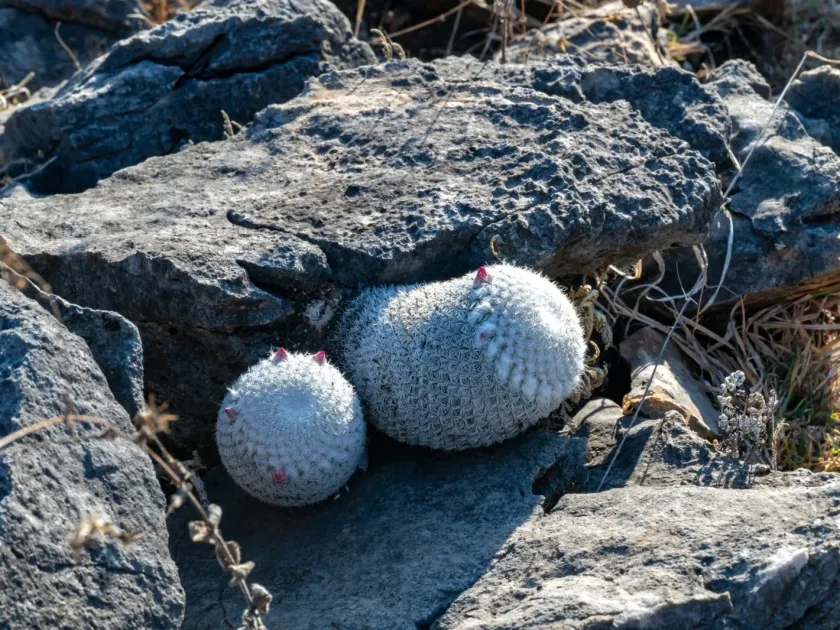
Description
Sowing dates
Seed propagation of Mammillaria albilanata is best performed in early spring to take advantage of the natural increase in day length and warmth.
Use a well-draining sowing mix consisting of fine sand, perlite, and a small amount of peat to ensure the seeds remain in a stable, aerated environment.
Place the seeds on the surface of the dampened soil without deep burial, as this promotes faster germination and prevents fungal stagnation.
Maintain a constant temperature of about 22-25 degrees Celsius within a covered germination tray to create the necessary humidity for seed development.
Once seedlings begin to develop their characteristic spines, initiate a gradual ventilation program to toughen the young plants for future potting.
Growing requirements
As a member of the Cactaceae family, this species originates from the mountainous regions of Mexico, where it thrives in rocky limestone environments.
The plant requires full sun for optimal health, though exposure to intense midday sun in hot climates should be mitigated to prevent epidermal bleaching.
Soil composition must be highly inorganic, prioritizing drainage to ensure that the delicate root system remains healthy throughout the year.
Watering should be strictly regulated, allowing the substrate to dry out completely between sessions to mimic the sporadic rainfall of its native habitat.
During winter, keep the plant dry and provide a cool temperature range of 10-12 degrees Celsius to ensure the plant enters dormancy effectively.
Main diseases and pests
The most significant threat to the health of this cactus is root rot, which typically stems from poor drainage or excessive water during cold periods.
Mealybugs are common pests that often colonize the white woolly areas between the tubercles, making them difficult to detect until an infestation is established.
Spider mites can also cause damage to the epidermis, leaving unsightly marks and weakening the plant's structural integrity if left untreated.
Regular maintenance and vigilant inspection of the plant's crown are essential strategies for mitigating these biological and environmental threats.
- Use systemic insecticides to treat severe pest infestations.
- Apply fungicidal treatments if the base of the plant shows discoloration.
- Repot periodically in fresh, mineral-rich substrate to rejuvenate growth.