
Mammillaria anniana
Mammillaria anniana
Description
Growing requirements
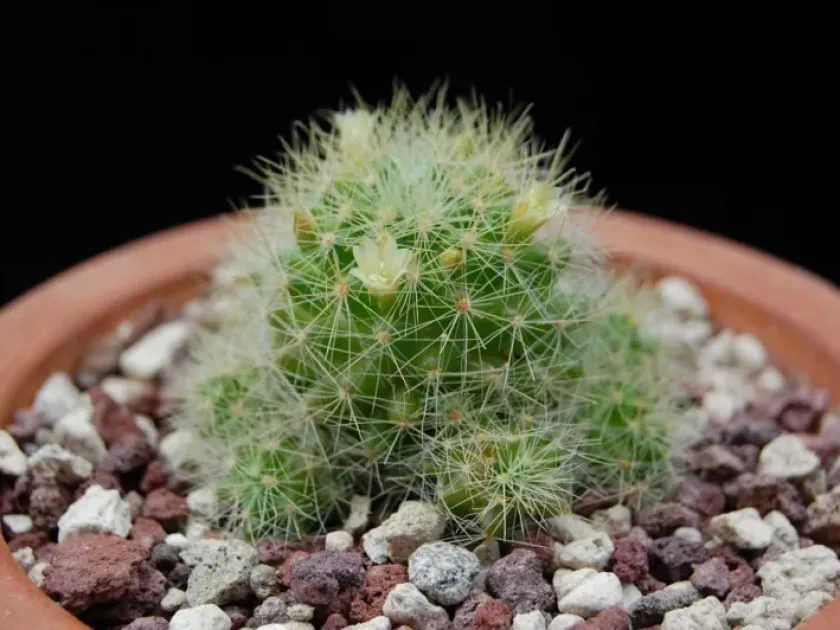
Mammillaria anniana is a rare and highly sought-after species of the Cactaceae family, native to the Tamaulipas region of Mexico. This plant thrives in mountainous, limestone-rich rocky terrains, adapting to a specific microclimate that requires precise imitation in cultivation.
Botanically, it is characterized by its cylindrical stems that form small, dense clusters. The surface is adorned with radial and central spines, and during the blooming season, the plant produces beautiful, small, bright yellow flowers arranged in a crown-like formation at the apex.
The primary requirement for its cultivation is abundant sunlight. Mammillaria anniana requires high light intensity to maintain its characteristic compact shape and robust spine development. In greenhouse conditions, it is best placed in areas with maximum natural light exposure throughout the year.
The substrate must be highly porous to ensure efficient drainage. A standard mix for this cactus includes a large proportion of non-organic components such as pumice, volcanic gravel, and coarse river sand. This mimics its natural habitat and prevents the roots from remaining damp for too long.
Watering practices are critical: the substrate should be allowed to dry out completely before the next irrigation. During the winter months, the plant enters a dormant phase where it requires cool temperatures and absolute dryness to trigger the development of flower buds in the following spring.
Main diseases and pests
The most significant threat to Mammillaria anniana is fungal rot, usually triggered by waterlogging or inadequate ventilation. Once the roots begin to decay, the infection often spreads rapidly to the stems, making early intervention difficult.
Mealybugs are the most common pests affecting this species. These insects thrive in the tight spaces between the plant's tubercles. Regular inspection with a magnifying glass is recommended to detect early infestations before they multiply and damage the cactus epidermis.
Spider mites can also be problematic if the humidity levels are too low and airflow is insufficient. Damage often appears as rusty patches or discolored areas on the skin of the plant, which can eventually lead to scarring and long-term health issues for the specimen.
Root mealybugs pose a hidden threat, as they live beneath the soil line. They sap the plant's energy, causing stunted growth and poor flowering. If a plant stops growing despite appropriate care, checking the root system for these pests is a necessary step.
Improper winter storage, specifically keeping the plant too warm while the light levels are low, often leads to etiolation. An etiolated stem is structurally weaker and significantly more susceptible to both physical damage and opportunistic pathogen attacks.