
Mammillaria albiflora
Mammillaria albiflora
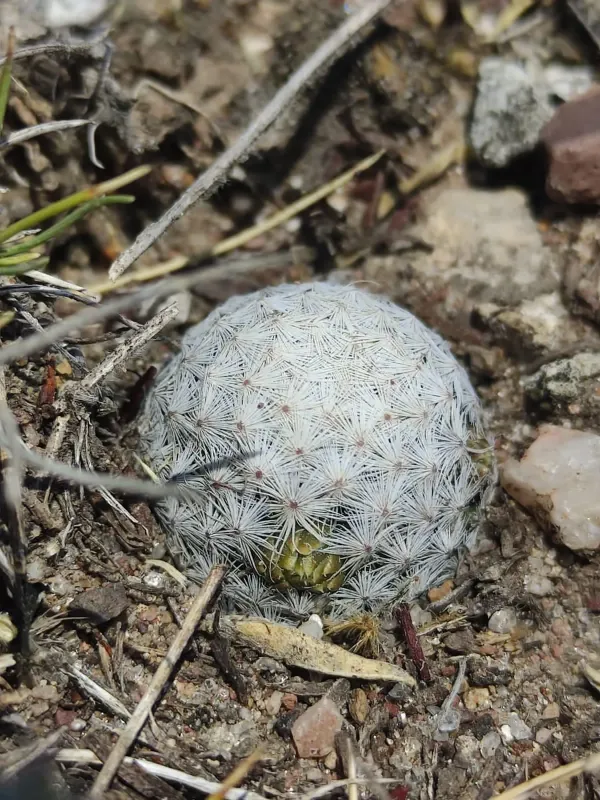
Description
Sowing dates
Sowing seeds of Mammillaria albiflora is best performed during the spring season, typically from March to April, when light intensity is sufficient for young seedlings.
Use a sterile, well-draining substrate composed of fine sand and peat to provide an optimal environment for germination while minimizing the risk of fungal growth.
Seeds should be lightly pressed onto the moist surface of the soil rather than buried deeply to ensure they receive enough light to trigger the sprouting process.
Maintaining a stable temperature of 20–25 degrees Celsius and high humidity under a glass or plastic cover is crucial for successful development of seedlings.
Once seedlings have sprouted, gradually increase ventilation to allow the plants to harden off, preventing damping-off diseases that can destroy young cacti.
Growing requirements
Mammillaria albiflora is a member of the Cactaceae family, originating from high-altitude regions in Mexico, which dictates its preference for bright light.
The plants thrive in a highly porous, mineral-based soil mix that prevents water retention around the roots, as the species is highly susceptible to root decay.
Watering must be very careful; allow the soil to dry out completely between waterings, especially during the active growing season in late spring and summer.
A dormant period during winter is essential for this species, requiring cool temperatures (8–12 degrees Celsius) and almost zero watering to ensure proper blooming.
Due to its high-altitude origins, the cactus requires excellent air circulation to maintain its health and prevent the buildup of heat during hot summer days.
Main diseases and pests
The primary concern for this cactus is root rot, which typically develops if the plant is kept in damp soil for extended periods in cool or dark conditions.
Mealybugs are the most common pests for this species, often embedding themselves deep between the dense spines, making them difficult to detect early.
Spider mites can also become a problem in dry, stagnant indoor environments, causing unsightly brown or pale patches on the plant's epidermis.
Preventive measures include regular inspection of the crown and the base of the plant, as well as keeping the growing area clean and well-ventilated.
If an infestation occurs, treat the plants immediately with appropriate systemic insecticides or natural remedies suitable for sensitive succulent cacti.