
Mammillaria wrightii
Mammillaria wrightii
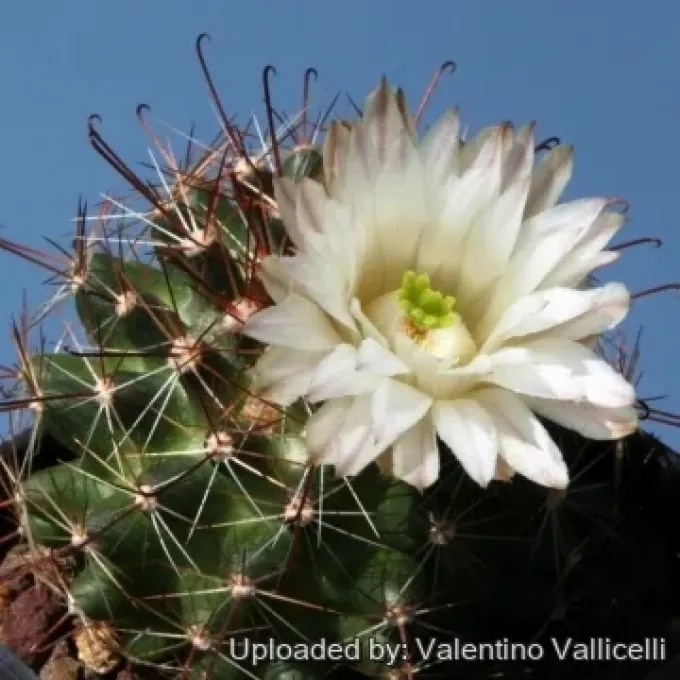
Description
Sowing dates
Sowing seeds of Mammillaria wrightii is best performed during the spring months to leverage the natural increase in light intensity for optimal growth.
The sowing medium must be highly porous and sterile, typically a mix of coarse sand and finely sieved compost, ensuring excellent drainage for delicate roots.
Seed trays should be maintained at a steady temperature between 22 and 26 degrees Celsius to facilitate uniform germination of the seeds.
High humidity is essential during the initial germination phase; therefore, the containers must be kept covered with clear plastic until the first spines appear.
Gradual acclimatization to lower humidity levels is crucial as the seedlings mature to prevent sudden dehydration or etiolation of the young cactus bodies.
Growing requirements
Belonging to the Cactaceae family, this species is native to the southwestern United States and northern Mexico, favoring arid, rocky habitats.
Cultivation requires a fast-draining, mineral-based soil mix that prevents water retention, which is the most common cause of root death in this genus.
The plant thrives under bright, filtered light and requires a significant diurnal temperature drop to simulate the desert climate of its native range.
During the active growing season, watering should only occur once the soil has completely dried out, while winter dormancy requires total water withdrawal.
Proper airflow is paramount for the health of the plant, as stagnant air in enclosed spaces often leads to physiological stress and pathogen outbreaks.
Main diseases and pests
Fungal rots are the most significant threat to Mammillaria wrightii, usually induced by excessive watering during overcast or cold weather periods.
Mealybugs are frequent pests that hide within the tubercles, making them difficult to detect and eradicate without thorough inspection and systemic treatments.
Root aphids can severely compromise the plant's health from underground, requiring the use of specific soil-drenching insecticides to manage infestations.
Overexposure to direct summer sun without proper hardening can cause epidermis burns, which provide entry points for secondary bacterial infections.
- Maintain strict hygiene in the cultivation area
- Isolate new plants to prevent cross-contamination
- Use well-draining pots to avoid water stagnation
- Apply preventative antifungal sprays periodically