
Mammillaria vetula
Mammillaria vetula
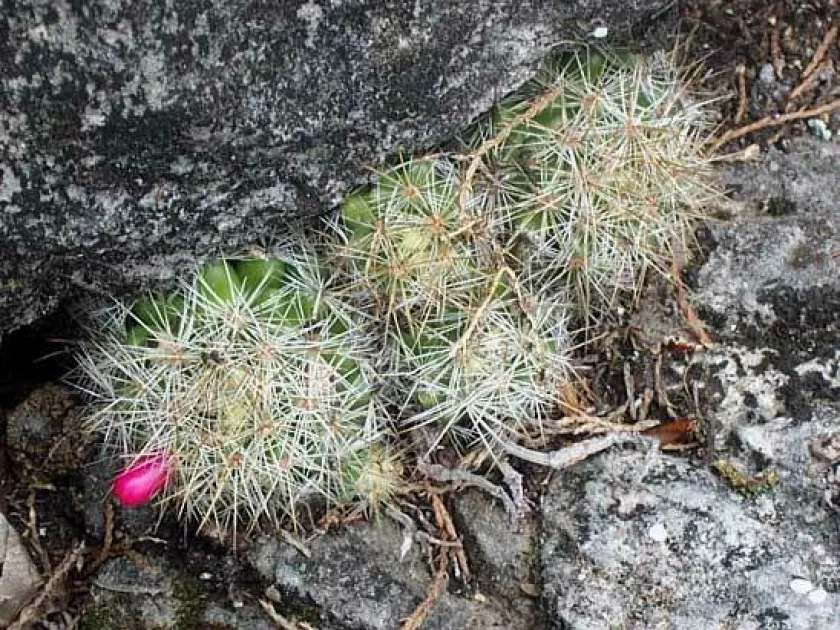
Description
Sowing dates
Propagation of Mammillaria vetula is most commonly achieved through seed sowing or by removing offsets. Spring is the ideal time for sowing, as the increasing daylight hours promote faster germination.
Use a light, sterile, and well-draining substrate for sowing seeds. A mix of sand and peat is generally sufficient, provided it is kept moist but not waterlogged until germination occurs.
After seedlings emerge, it is crucial to introduce more ventilation. Gradually acclimating young cacti to lower humidity levels helps strengthen their tissues and prevents early-stage rotting.
Offset propagation involves removing the side shoots that naturally grow at the base of the main stem. This should be done during the active growth phase to ensure quicker root development.
Always allow the separated offsets to dry and callus for several days before placing them on a dry rooting medium. Avoid direct watering for the first week to prevent fungal infections at the cut site.
Growing requirements
Mammillaria vetula is a member of the Cactaceae family, native to the arid regions of Mexico. It is a highly photophilous plant that requires direct sunlight for several hours each day to maintain its compact form.
The potting soil must be extremely porous. A mixture of grit, coarse sand, and a small amount of potting soil works best. Excellent drainage is non-negotiable to prevent root rot.
During the growing season, water the cactus thoroughly but allow the soil to dry out completely between waterings. During winter, the plant enters a dormancy phase and should be kept dry in a cool environment.
Temperature management is key; the plant thrives at 20–30 degrees Celsius during summer. In winter, temperatures can drop to 10 degrees, which is necessary to induce flowering for the upcoming season.
Fertilization should be done sparingly using a balanced cactus fertilizer with low nitrogen levels. Excessive nitrogen leads to rapid, weak growth that makes the cactus prone to disease and pest infestation.
Main diseases and pests
Root rot is the most significant threat to Mammillaria vetula, usually caused by overwatering or poor soil drainage. Signs include soft, discolored spots on the base of the stem or stunted growth.
Mealybugs are frequent pests that hide in the crevices between the tubercles. They appear as small, cottony white clusters. Early detection is vital for successful control with systemic insecticides.
Spider mites can also become a problem, particularly in dry and poorly ventilated spaces. These microscopic pests feed on the surface, leaving behind tiny yellow speckles on the skin of the cactus.
Prevention is the best strategy against pests and diseases. Keeping the greenhouse or living space well-ventilated and regularly inspecting the plants will significantly reduce the risk of major infestations.
If rot is detected, the affected area must be cut away with a sterile blade. The plant should be treated with a fungicide and allowed to heal completely before being replanted in fresh soil.
Harvesting
Mammillaria vetula is an ornamental species, not a commercial agricultural crop. Harvesting in this context refers mainly to the collection of seeds and the occasional division of plants for propagation.
The plant produces small, vibrant pink or yellow flowers in the spring. After pollination, it develops small, red, berry-like fruits that contain the seeds, which can be harvested when fully ripe.
This cactus is highly valued in amateur collections for its beautiful, geometric structure and longevity. It serves as a classic specimen for desert-themed miniature gardens or terrariums.
Routine maintenance tasks, such as repotting every two to three years, ensure that the plant remains healthy. Repotting allows the grower to check the root system and replace depleted substrate with fresh, nutrient-rich soil.
Due to the presence of hooked spines, handle the plant with care. Using a folded newspaper strip or thick gloves is recommended to protect your hands while performing any maintenance or harvesting work.