
Mammillaria uncinata
Mammillaria uncinata
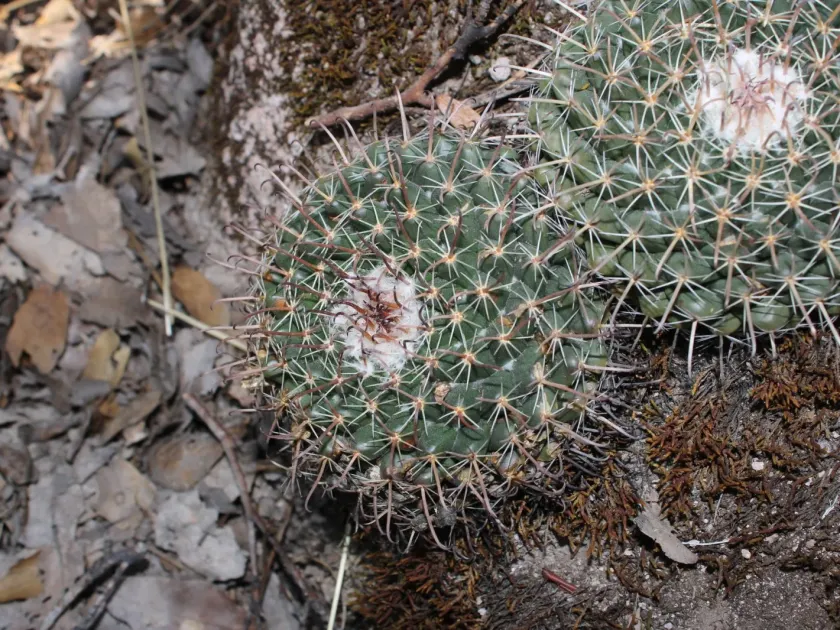
Description
Sowing dates
Propagation of Mammillaria uncinata from seeds is best performed in the spring when ambient temperatures are consistently warm.
The ideal growing medium for seedlings consists of a sterilized mix of coarse sand and finely milled peat, ensuring excellent drainage.
Seeds should be spread thinly across the surface and lightly misted with water to maintain a high humidity level for germination.
Once seedlings emerge, it is critical to provide adequate ventilation to prevent the onset of damping-off disease in the young tissue.
Gradual acclimatization to lower humidity and more intense light is necessary as the seedlings develop their first spines.
Growing requirements
Mammillaria uncinata belongs to the Cactaceae family and is native to the arid landscapes of Central Mexico.
This species thrives in well-draining, gritty mineral soil that mimics the rocky, volcanic conditions of its natural habitat.
The plant requires full sun exposure throughout the growing season to maintain its compact, attractive growth habit and bloom successfully.
Watering must be sparse, allowing the substrate to dry out completely between sessions to mimic the cycles of rainfall in the desert.
During the dormant winter phase, keep the plant dry and cool, ideally between 10 and 12 degrees Celsius to ensure proper dormancy.
Main diseases and pests
The primary concern for Mammillaria uncinata is root rot, which typically occurs due to overwatering or poor drainage in the potting mix.
Common indoor pests such as mealybugs often hide in the axils of the tubercles, feeding on the plant's juices and causing localized damage.
Spider mites can also be a problem in dry, stagnant environments, leading to unsightly scarring on the surface of the cactus stem.
Regular inspection of the plant is vital to detect early signs of infestation and to apply necessary treatments before damage spreads.
Using specialized organic or chemical fungicides is recommended if fungal spots appear on the epidermis due to high humidity.