
Mammillaria tonalensis
Mammillaria tonalensis
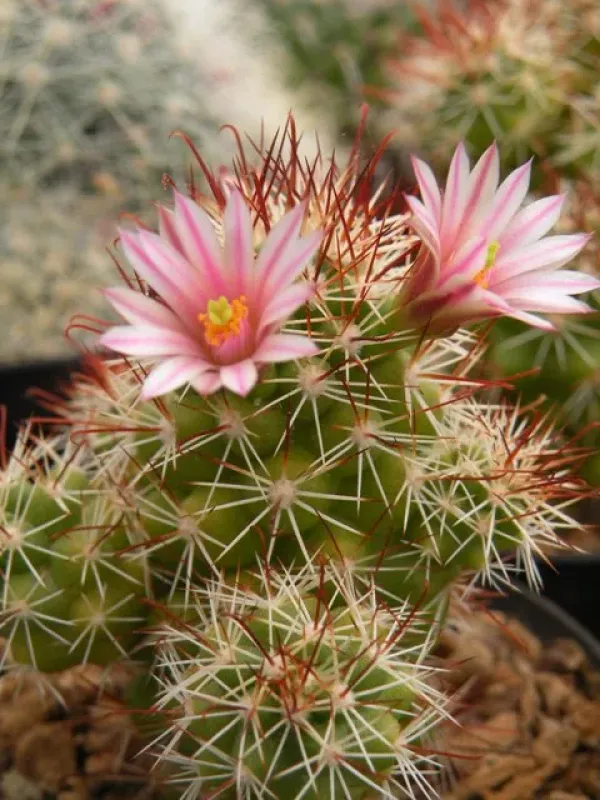
Description
Growing requirements
Mammillaria tonalensis is a distinct species within the Cactaceae family, known for its intricate spine patterns and small, compact growth habit. It originates from the arid regions of Oaxaca, Mexico, where it thrives in rocky, well-drained limestone soils.
This species requires high light exposure to maintain its form and promote healthy spine development. In cultivation, it should be placed in a location receiving direct sunlight for several hours each day, preferably during the morning or late afternoon.
The substrate must be highly porous and inorganic-leaning to mimic its natural habitat. A mix of pumice, perlite, and coarse sand combined with a minimal amount of well-draining potting soil is recommended for optimal root health.
Watering should be performed only when the substrate is completely dry to the touch, reflecting the episodic rainfall patterns of its native range. During winter, it enters a dormant phase and requires a dry, cool environment to survive until the spring growing season.
In terms of agricultural and horticultural use, Mammillaria tonalensis is highly valued by specialized cactus collectors and enthusiasts. Its aesthetic appeal makes it an ideal subject for xeriscaping or indoor container gardening where sunlight is abundant.
Main diseases and pests
Root rot, often caused by overwatering or poor drainage, is the primary threat to this species. If the soil remains saturated for too long, the root system begins to decay rapidly, potentially leading to the death of the entire plant structure.
Mealybugs are the most common pests found on this cactus, as they nest between the dense tubercles and spines. Regular inspections are necessary, and localized application of alcohol or systemic insecticides can effectively eliminate these infestations.
Spider mites can also be problematic if the humidity remains too low for extended periods without adequate air circulation. These pests extract fluids from the plant, leaving behind scarred, discolored tissue that detracts from the specimen's appearance.
Scale insects may attach themselves to the stem, causing localized weakness and providing an entry point for secondary bacterial infections. Prompt mechanical removal or treatment with appropriate horticultural oils is essential for plant recovery.
Maintaining a clean, well-ventilated growing environment is the most effective strategy for preventing disease. Good airflow reduces the moisture buildup that pathogens prefer, ensuring the long-term vitality of the Mammillaria tonalensis collection.