
Mammillaria thornberi
Mammillaria thornberi
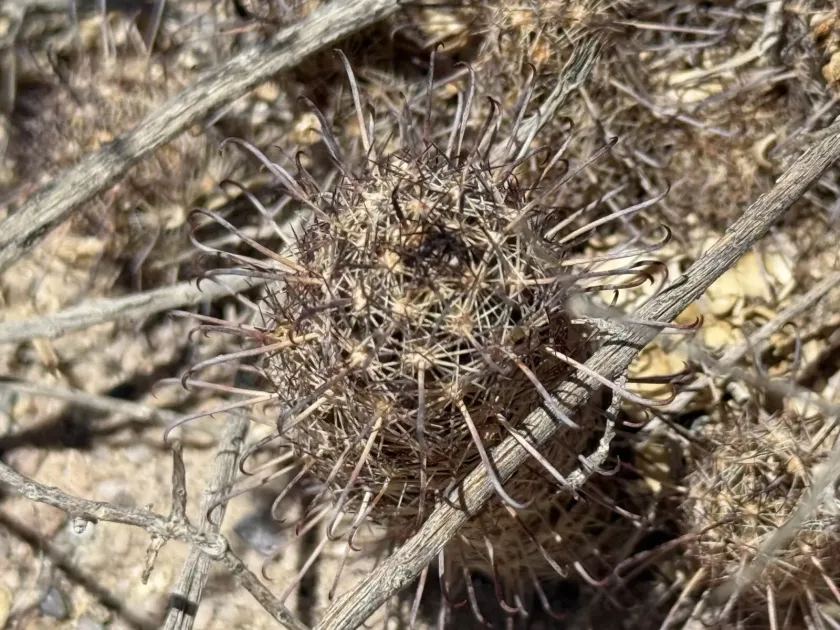
Description
Sowing dates
The propagation of Mammillaria thornberi is primarily conducted through seeds, which are sown in late winter or early spring to ensure the best growth potential.
Seeds are placed on the surface of a mineral-based substrate, lightly pressed, and covered with a fine layer of grit to maintain stability and moisture.
It is essential to maintain high humidity levels during the germination phase, typically achieved by covering the seed trays with transparent plastic or glass.
Once the seedlings develop their first spines, the humidity should be gradually reduced to harden the young plants before their first repotting.
Younger plants are quite sensitive to direct sunlight and should be kept in bright, indirect light until they reach at least one year of age.
Growing requirements
As a member of the Cactaceae family, Mammillaria thornberi is native to the Sonoran Desert, requiring specific environmental conditions that mimic its wild habitat.
This species thrives in high light intensity and requires as much direct sun as possible, except for the peak summer heat when light shade may be beneficial.
The growing medium must be highly porous; a standard cactus mix amended with coarse sand and pumice is ideal for preventing root rot and ensuring proper drainage.
Watering should be strictly regulated: deep soaking during the active growing season followed by a complete drying period between irrigations is mandatory.
A winter dormancy period is essential for the health of the plant, requiring dry conditions and temperatures around 10°C to 12°C to encourage healthy future blooms.
Main diseases and pests
Root rot is the most common threat to this culture, usually caused by improper soil aeration, excessive watering, or pots without drainage holes.
Spider mites are prevalent in warm, dry environments and can cause significant damage to the plant's surface, manifesting as yellow or pale stippling.
Mealybugs are another common pest that tends to hide within the dense spine clusters, making them difficult to detect and remove without specialized systemic insecticides.
Fungal infections can develop if humidity remains too high during the winter rest period, leading to soft spots or discolored areas on the cactus stem.
Proper hygiene, including the use of sterile tools and clean pots, is the most effective strategy for preventing the spread of diseases and pests in cactus collections.