
Mammillaria theresae
Mammillaria theresae
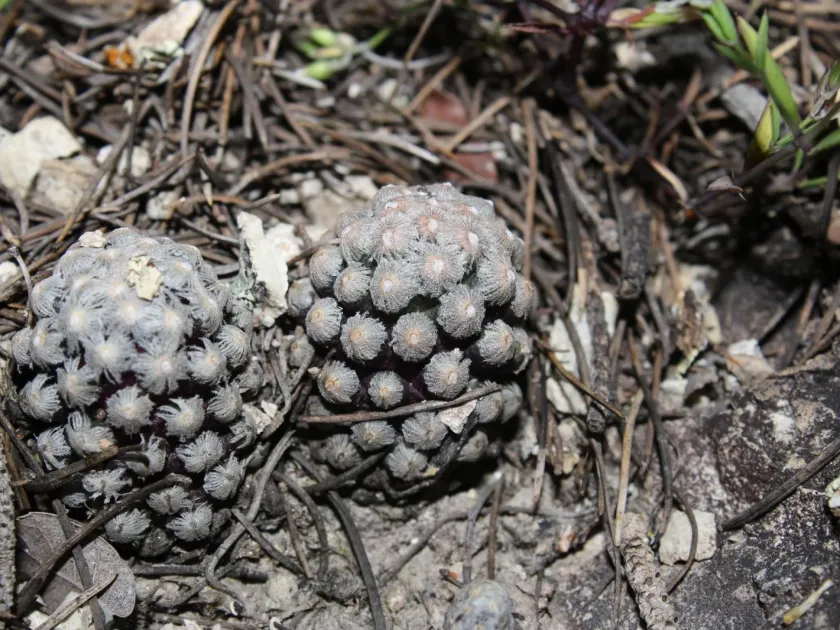
Description
Sowing dates
Propagation of Mammillaria theresae is typically achieved through seeds, which require specific conditions to germinate successfully. The optimal sowing time is early spring when daylight hours start to increase.
Use a well-draining, mineral-based substrate composed of peat and coarse sand. Seeds should be sown on the surface and lightly pressed into the soil, keeping them moist but not waterlogged until germination.
Consistent temperatures between 22°C and 25°C are necessary for successful seedling development. Covering the tray with a clear lid creates the required humidity levels, though aeration is vital.
As seedlings grow, they require careful hardening off. Gradually expose them to more light and reduced humidity to prepare them for life as mature plants, which usually takes several months.
The growth rate of this species is notably slow, meaning seedlings remain vulnerable for a long period. Providing a stable environment is key to ensuring a high survival rate during the first year.
Growing requirements
Mammillaria theresae belongs to the Cactaceae family and is native to the Mexican state of Durango. It is highly adapted to arid, high-altitude rocky environments where it grows in limestone crevices.
The species demands high levels of sunlight to maintain its unique morphology and dense spines. Inadequate light results in etiolated, weak stems that are prone to disease and pest attacks.
The soil requirements are strict: the mixture must be highly porous and inorganic. A blend of pumice, lava rock, and a small amount of grit ensures that roots do not remain damp for long periods.
Watering should follow the seasonal rhythm of the plant. During the growing season, deep but infrequent watering is preferred, ensuring the soil dries out completely before the next irrigation event.
During the winter months, the plant requires a dormant period. Keep the plants in a cool environment, around 10°C, and withhold water entirely to stimulate the growth of flowers in the spring.
Main diseases and pests
The most significant threat to Mammillaria theresae is overwatering, which quickly leads to root rot. Once the roots are compromised, the pathogen can spread rapidly to the stem, causing irreversible damage.
Spider mites are common pests that thrive in dry, stagnant air. These pests damage the epidermis of the cactus, leaving behind unsightly yellow spots and reducing the overall health of the plant.
Mealybugs can also be problematic, often hiding deep between the tubercles. Manual removal or the use of systemic insecticides is necessary to manage these infestations effectively.
To prevent disease, ensure that the growing area has excellent air circulation. Stagnant air encourages fungal growth, which can be devastating to small-bodied cacti like this species.
Always inspect new additions to your collection for signs of pests or rot before placing them near healthy plants. Proper quarantine protocols are essential for maintaining a healthy greenhouse environment.