
Mammillaria standleyi
Mammillaria standleyi
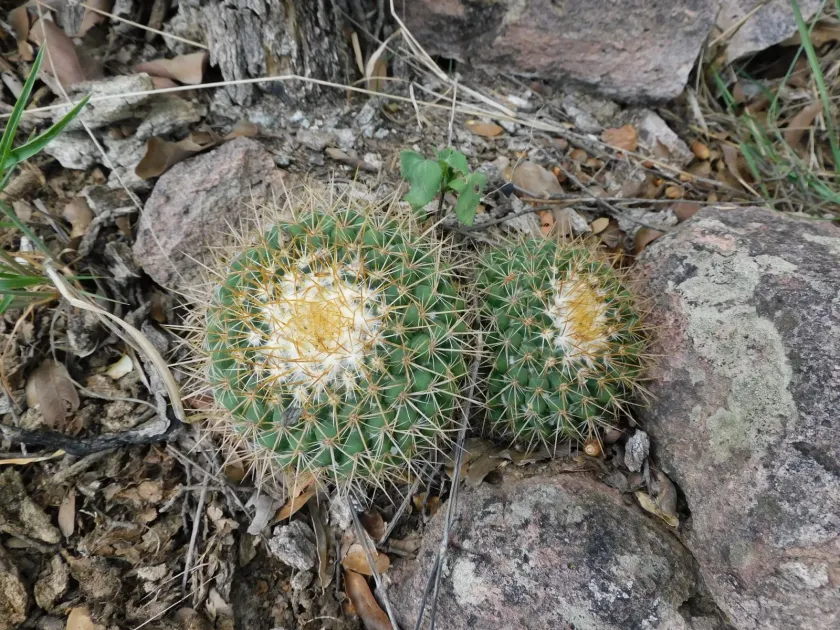
Description
Growing requirements
Mammillaria standleyi is a distinct member of the Cactaceae family, native to the arid landscapes of Northern Mexico. As a specialized succulent, it has evolved to thrive in environments with significant diurnal temperature fluctuations.
Botanically, this species is defined by its compact, tubercle-bearing stem structure. These tubercles act as moisture reservoirs, while the intricate radial and central spines provide protection and shade to the plant's epidermis.
The primary environmental requirement is abundant sunlight. To maintain the plant's natural morphology and promote flowering, it requires at least six hours of direct sunlight per day during the growing season.
For soil cultivation, a high-porosity mineral substrate is essential. Professional growers recommend a mixture of coarse sand, pumice, and crushed gravel to ensure that water drains away from the root collar almost immediately.
Temperature management involves keeping the plant warm during the spring and summer (20–30°C). During winter, it enters a dormant phase and should be kept in a cool, dry place to ensure proper metabolic rest before the next bloom.
Main diseases and pests
The most critical threat to Mammillaria standleyi is overwatering, which leads to root rot and vascular system collapse. Proper drainage is the most effective preventative measure against this common fatal condition.
Mealybugs are frequent pests that nestle between the tubercles, protected by their white, waxy secretions. If left untreated, they can drain the plant's vital nutrients and introduce secondary fungal pathogens.
Spider mites represent a significant risk, especially in dry, stagnant air. These pests cause microscopic punctures in the skin, which eventually appear as dull, brownish scarring on the cactus surface.
Fungal infections, often manifested as dark spots or soft tissue decay, are usually triggered by poor ventilation and high humidity. Improving airflow is crucial for preventing the spread of these pathogens.
Scale insects can occasionally infest the cactus, attaching themselves to the stem and sucking sap. Manual removal combined with systemic insecticides is the standard protocol for controlling these resilient pests.