
Mammillaria sphaerica
Mammillaria sphaerica
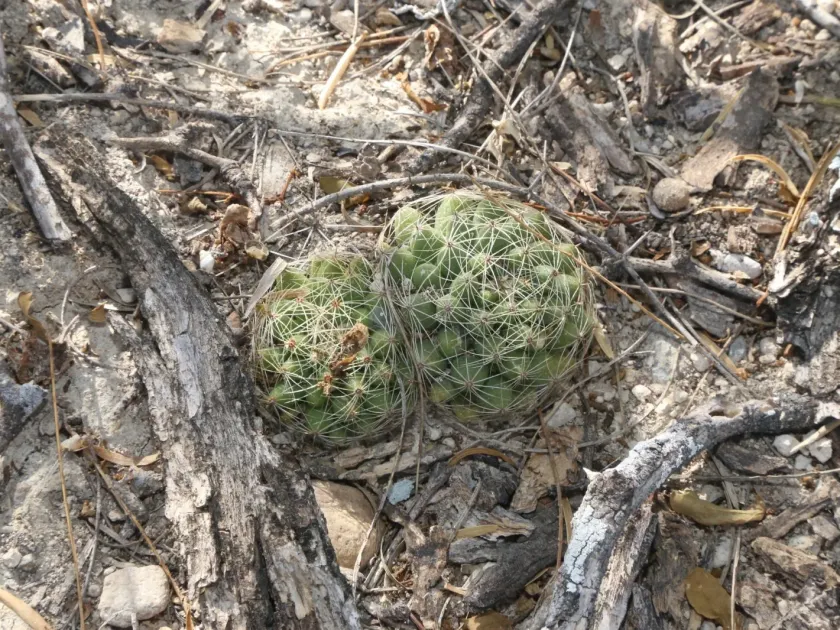
Description
Sowing dates
Mammillaria sphaerica, a member of the Cactaceae family, is propagated through seeds or by separating offsets from the mother plant. Seeds should be sown in shallow containers filled with a well-draining mix of sand and peat in late winter or early spring.
To ensure germination, the substrate must remain consistently moist but not saturated, with temperatures maintained between +22 and +25 degrees Celsius. Provide bright, indirect light while protecting the delicate seedlings from direct sunlight.
Pricking out the young cacti is performed once they reach a size that allows for safe handling, usually a few months after sowing. By this stage, the seedlings should have developed their initial spines and possess a basic root structure.
Vegetative propagation via offsets is the preferred method for many growers as it is faster and ensures the new plants are clones of the parent. After removing an offset, it is crucial to allow the cut surface to callus over for several days in a shaded area.
The callused offsets are then placed into a slightly damp, porous potting mix where they will eventually develop their own independent root systems throughout the growing season.
Growing requirements
Native to arid regions of Mexico, this plant requires high levels of solar radiation to maintain its natural shape and promote blooming. It thrives in locations with direct sun, such as south-facing windows, which simulate its natural desert habitat.
The soil must be highly permeable, featuring a neutral or slightly acidic pH. Incorporating inorganic materials like coarse sand, pumice, or expanded clay is essential to prevent water accumulation near the root crown, which is fatal for the plant.
Watering should be done cautiously during the active growing season, allowing the soil to dry out completely between applications. During the winter dormancy, watering should be significantly reduced or stopped to prepare the cactus for its spring flowering cycle.
Cooler temperatures during the winter period, ideally around +10 to +12 degrees Celsius, are vital for the successful induction of flower buds. During the rest of the year, the plant enjoys standard room temperatures with good airflow.
These plants are highly adapted to low humidity levels, making them excellent candidates for indoor cultivation. They do not require misting and actually prefer dry air to prevent fungal pathogens from settling on the stems.
Main diseases and pests
The primary threat to Mammillaria sphaerica is overwatering, which quickly leads to root and stem rot. Once rot sets in, the plant's internal tissues break down, making it extremely difficult to revive the specimen.
Spider mites are the most common pests, often appearing in hot, dry conditions. They leave fine, web-like structures and cause unsightly, discolored patches on the skin of the cactus, which can be managed with specific miticides.
Mealybugs and scale insects may also infest the plant, hiding in the crevices between tubercles. These pests feed on the plant's sap and can cause general decline if left untreated, requiring manual removal or application of systemic insecticides.
Preventive maintenance involves regular inspection of the plant's surface and careful monitoring of its environment. Providing good ventilation and avoiding crowding will significantly decrease the likelihood of pest outbreaks.
Always ensure that any new plants added to a collection are quarantined to prevent the introduction of pests or diseases that could spread rapidly among other cacti.