
Mammillaria sphacelata
Mammillaria sphacelata
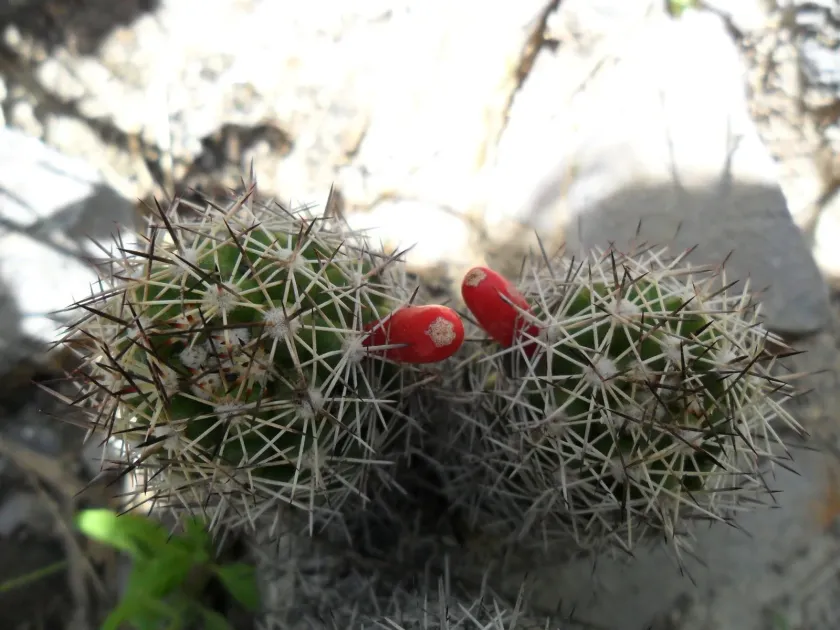
Description
Growing requirements
Mammillaria sphacelata is a distinct succulent species belonging to the Cactaceae family. Originally native to the high-altitude regions of Mexico, this plant thrives in rocky environments where drainage is excellent and daily temperature fluctuations are common.
Botanically, it forms clumping, cylindrical stems that can grow into dense clusters over time. It is well-known for its fine spination, which covers the epidermis and serves as an evolutionary adaptation to reflect sunlight and minimize water loss in harsh arid climates.
The agronomic requirements for this crop focus on high light intensity and proper ventilation. Indoors or in greenhouse settings, it is essential to provide at least 6–8 hours of direct sunlight to prevent etiolation and maintain the plant's natural morphology.
Soil composition should replicate the rocky soils of its natural habitat. A mixture consisting of 50% inorganic material (pumice, perlite, or grit) and 50% organic matter ensures that the roots are adequately aerated and prevents water retention that causes root death.
During the growing season, watering should be thorough but infrequent, allowing the substrate to dry out completely. In winter, the plant requires a cool, dry dormancy period, which is critical for inducing flowers in the subsequent season.
Main diseases and pests
The primary threats to Mammillaria sphacelata involve fungal infections triggered by excessive moisture. Root rot and stem rot are the most common afflictions, often resulting from improper watering schedules or poor soil drainage during the cool season.
Mealybugs are a significant pest for this cactus, often hiding deep within the spines or at the base of the stems. Their presence is detected by a white, cottony secretion that impairs the plant's ability to photosynthesize effectively.
Spider mites are another common challenge, particularly when the greenhouse environment is too hot and dry. They puncture the skin of the cactus, leaving visible scarring and stippling that ruins the plant's aesthetic appeal.
Integrated Pest Management (IPM) is recommended to keep the culture healthy. This includes maintaining proper sanitation in the growing space, isolating new specimens to prevent the spread of pests, and applying horticultural oils or systemic insecticides when necessary.
Ultimately, the successful cultivation of this species depends on mimicking its natural highland environment. By balancing light, temperature, and soil drainage, growers can maintain high-quality, disease-resistant specimens for many years.