
Mammillaria solisioides
Mammillaria solisioides
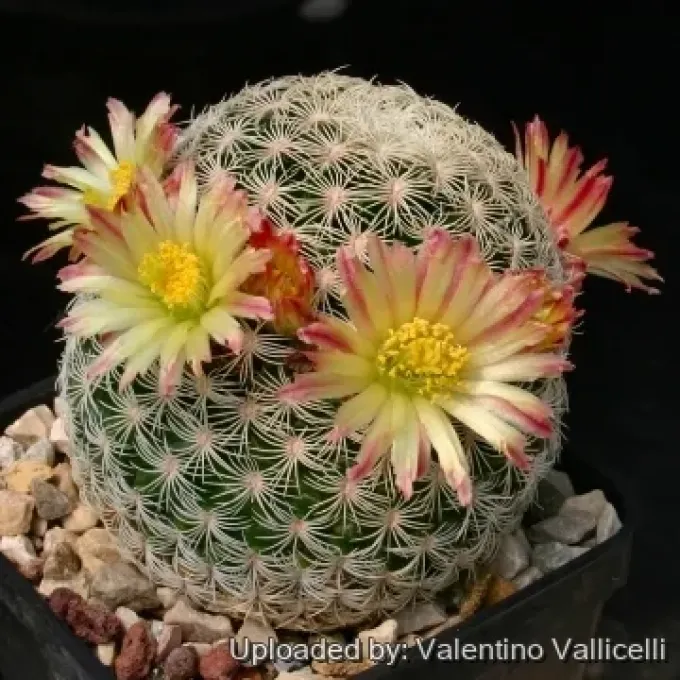
Description
Sowing dates
Cultivation of Mammillaria solisioides primarily relies on seed propagation within controlled nursery environments.
Sowing should take place in early spring to utilize increasing daylight hours, which are essential for young seedling development.
A sterilized substrate mix consisting of coarse sand and peat is recommended to maintain the necessary soil structure and drainage.
Constant temperature regulation between 22 and 25 degrees Celsius is critical for ensuring optimal germination rates for the seeds.
Once seedlings emerge, gradual acclimation to lower humidity levels is required to build the plant's natural resistance.
Growing requirements
Mammillaria solisioides is a member of the Cactaceae family, known for its unique appearance and origin in Mexico.
This species requires high light intensity, although protection from scorching midday sun is recommended during peak summer months.
The potting medium must be highly porous, favoring mineral components to prevent water retention and root hypoxia.
During the growing season, irrigation should be applied sparingly, allowing the substrate to dry out completely between waterings.
A cool and dry winter period is essential to induce dormancy and ensure the health of the plant for the following season.
Main diseases and pests
Root rot caused by overwatering is the most significant threat to the survival of this succulent species.
Mealybugs are common pests that tend to hide in the crevices between tubercles, posing a risk to the plant's health.
Spider mites may infest the plant during periods of prolonged low humidity, leading to scarring on the epidermis.
Maintaining proper ventilation and moderate humidity levels acts as a primary defense against common horticultural pests.
Early detection and the application of targeted insecticides are recommended to manage pest populations effectively.