
Mammillaria sheldonii
Mammillaria sheldonii
Description
Growing requirements
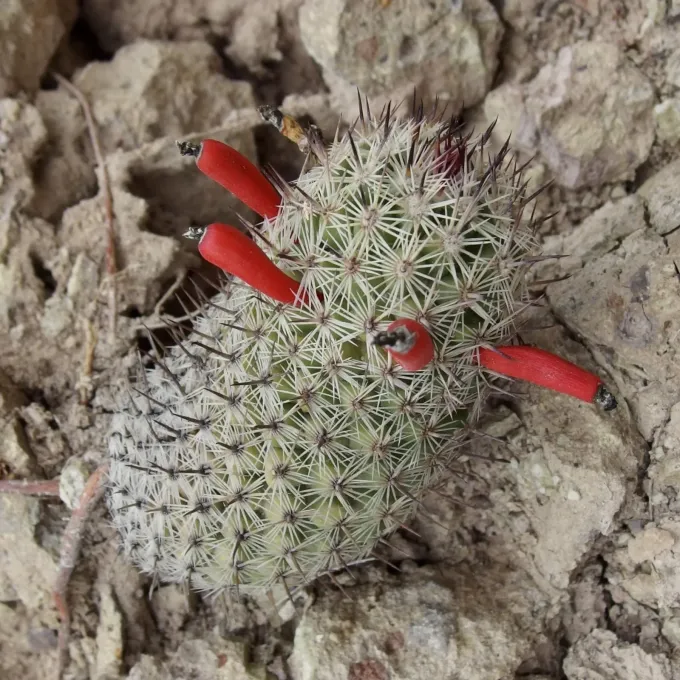
Mammillaria sheldonii is a small, globose to cylindrical cactus species belonging to the Cactaceae family, natively distributed across the arid regions of Sonora, Mexico.
This species is characterized by its tubercles arranged in a spiral pattern, adorned with radial and central spines that provide protection against intense desert heat.
Optimal growth requires a high-intensity light environment, ensuring the cactus develops its natural compact form and maintains the vibrant coloration of its spines.
The cultivation substrate must be strictly inorganic and highly porous; a mixture of pumice, coarse sand, and a small portion of potting soil is generally recommended for professional results.
Temperature management is crucial: the plant thrives in warm, dry summers and requires a distinct period of cool, dry dormancy during winter months to initiate flowering.
Main diseases and pests
The most significant threat to Mammillaria sheldonii is root rot, induced by incorrect watering practices, specifically keeping the root zone damp for extended periods.
Mealybugs represent a common pest threat, often found nestled between the tubercles where they can quickly drain the plant's sap and stunt its growth.
Root aphids pose a hidden danger, as they often infest the roots before any outward signs of plant distress become visible to the grower.
High humidity combined with low airflow can lead to fungal spots on the epidermis, which can permanently scar the plant if not addressed promptly with fungicides.
To ensure long-term plant health, maintain strict hygiene standards in the greenhouse, avoid overcrowding plants, and ensure each container has adequate drainage holes.