
Mammillaria senilis
Mammillaria senilis
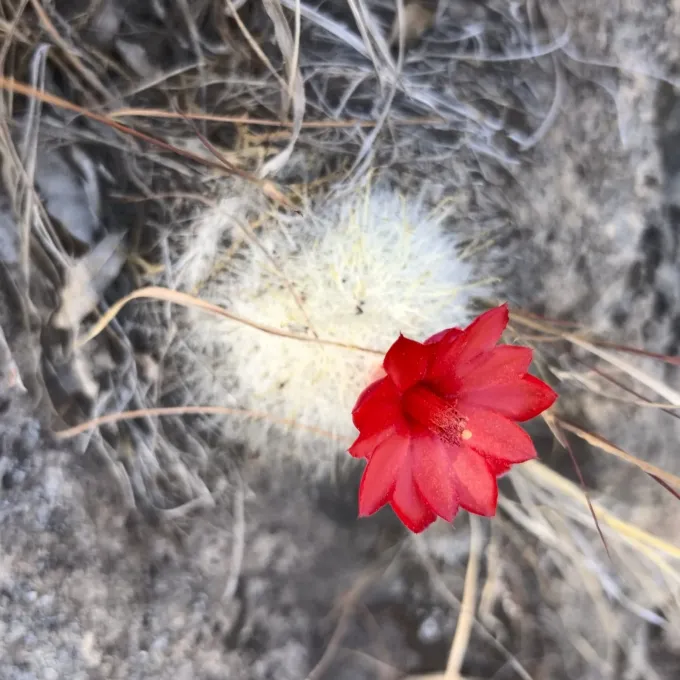
Description
Sowing dates
Seed propagation requires strict temperature regulation, with the optimal sowing time being early spring to leverage the lengthening photoperiod.
Seeds should be sown in a sterilized, fine-grained substrate composed of sand and peat to maintain consistent moisture and a temperature range of 22–25 degrees Celsius.
Germination is often asynchronous, necessitating greenhouse-like conditions with frequent ventilation to prevent mold proliferation on the surface of the growing medium.
Pricking out the seedlings occurs once the primary spines are well-developed, a process that typically spans three to six months depending on light exposure.
Young plants are particularly vulnerable to direct sunlight, so light shading must be provided during the initial developmental phases to prevent tissue damage.
Growing requirements
Mammillaria senilis is a member of the Cactaceae family, natively inhabiting the mountainous regions of Mexico, which dictates its specialized environmental needs.
The culture thrives in a highly porous, mineral-based substrate with excellent drainage capabilities to prevent water retention and root rot.
High levels of diffused light are essential for structural integrity, although partial shading during peak hours is recommended in glasshouse settings.
A significant diurnal temperature variation is crucial for the plant's metabolic health, as cooler nights help induce successful blooming in the spring.
Watering must be strictly controlled, ensuring that water never accumulates on the apex or stem, particularly during the dormant winter season.
Main diseases and pests
The primary pest affecting this species is the root mealybug, which inhabits the root system and severely compromises the plant's nutrient uptake.
Spider mites frequently target weakened specimens, leaving characteristic blemishes and disfiguring the epidermis of the cactus stem.
Fungal infections, such as those causing soft rot, typically arise from excessive substrate humidity and poor air circulation within the growing area.
Preventative measures include the use of systemic insecticides during potting and maintaining strict hygiene protocols for the growing substrate.
Erroneous irrigation practices, particularly overwatering, are the leading cause of plant failure, often leading to rapid fusarium colonization.