
Mammillaria sempervivi
Mammillaria sempervivi
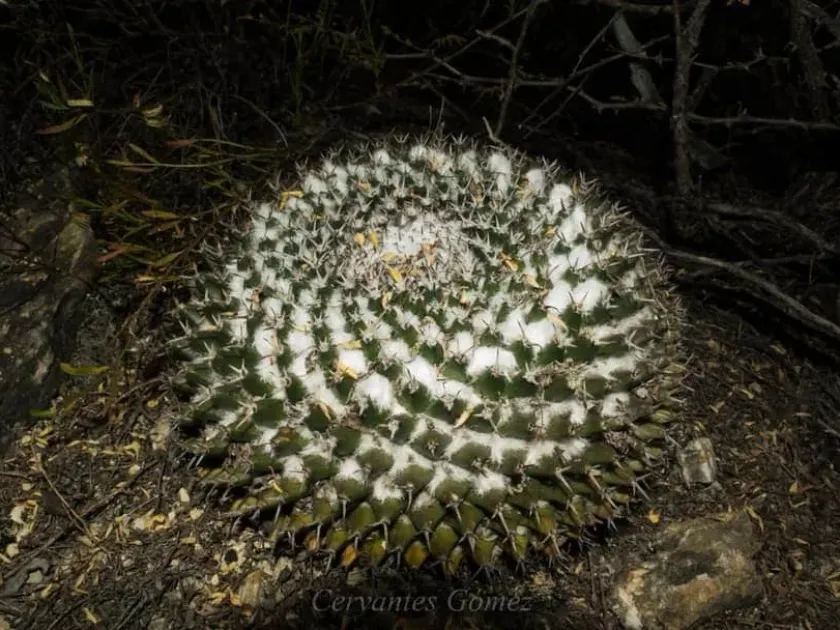
Description
Sowing dates
Propagation of Mammillaria sempervivi is primarily achieved through seed sowing or the separation of offsets, which allows for the rapid expansion of the collection.
Seeds should be sown in a well-draining, sterilized medium consisting of fine sand and peat moss, keeping it consistently moist until germination occurs.
Optimal germination temperatures range between 22 and 26 degrees Celsius, provided in a sheltered environment with filtered indirect light for the seedlings.
When propagating via offsets, it is crucial to allow the wound to callous for several days in a shaded area before planting into dry succulent mix.
Young plants require consistent monitoring for moisture levels to ensure the successful development of their root system during the first few weeks of growth.
Growing requirements
Mammillaria sempervivi is a member of the Cactaceae family, native to the arid and rocky limestone regions of central Mexico, necessitating specialized care.
The culture thrives in high-light conditions and requires at least 6 hours of direct or very bright indirect sunlight daily to maintain its compact growth habit.
Soil requirements involve a highly mineralized mix, emphasizing the need for excellent drainage to mimic the cactus's natural stony habitat in the wild.
Watering practices must follow the soak-and-dry method, ensuring the soil is completely dehydrated between watering sessions to prevent root rot issues.
During the winter dormancy period, temperatures should be lowered to approximately 10 degrees Celsius, and all watering must be suspended to prevent damage.
Main diseases and pests
Root rot is the most common physiological disorder caused by overwatering or poor drainage systems in the potting vessel during active vegetation stages.
Mealybugs are the primary biological threat, often settling in the woolly crevices between the cactus tubercles where they extract vital plant sap.
Spider mites may occasionally infest the plant, particularly when environmental humidity is too low and air circulation is insufficient for proper transpiration.
Fungal infections can quickly spread if the plant is kept in cool, damp conditions for an extended period without proper ventilation and light exposure.
- Frequent monitoring of the stem for cottony white substances.
- Application of specialized acaricides if mite damage appears.
- Removal of dead organic debris from the surface of the soil.