
Mammillaria scrippsiana
Mammillaria scrippsiana
Description
Growing requirements
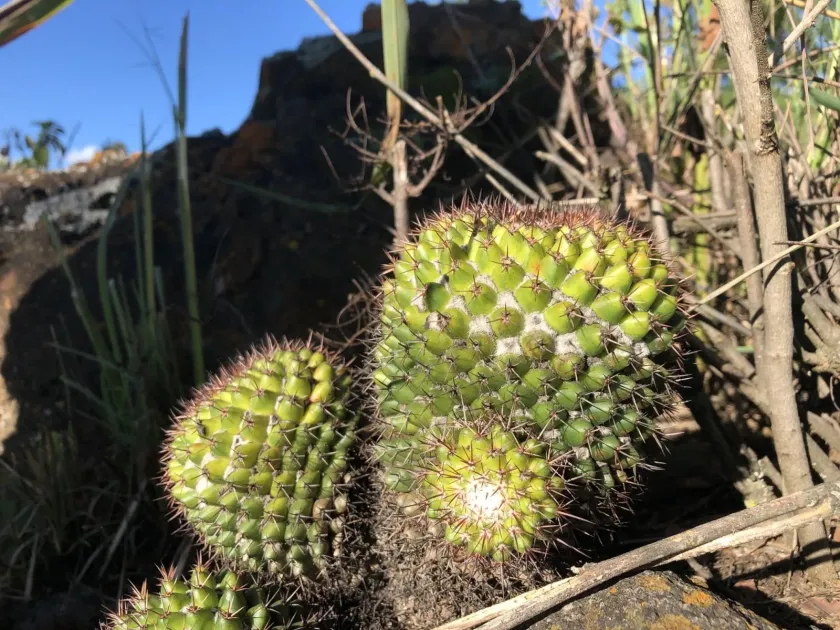
Mammillaria scrippsiana is a perennial succulent belonging to the Cactaceae family. This species originates from the arid regions of Mexico, where it grows in rocky terrain, developing a distinct globular or cylindrical body covered with fine spines and tubercles.
Successful cultivation requires high light intensity. During the active growing season, this cactus thrives in bright, filtered sunlight. However, during the winter dormant period, the plant should be kept in a cool, well-ventilated environment at temperatures between 10 and 12 degrees Celsius.
Soil requirements are strict: the substrate must be inorganic and extremely well-draining. A typical mix includes coarse sand, perlite, and small gravel, with a minimal amount of peat or organic loam. Proper drainage is the most critical factor in avoiding root system death.
Watering practices must follow the "soak and dry" method. The substrate should be allowed to dry completely between waterings to simulate the natural desert cycle. Excessive moisture, especially during the cold season, is detrimental to the plant's structural integrity.
The primary use of this crop is ornamental. Because of its unique structure and ability to bloom with small, delicate flowers forming a ring near the crown, it is a prized specimen for hobbyist collections and botanical displays in controlled environments.
Main diseases and pests
The most significant threat to Mammillaria scrippsiana is fungal infection resulting from poor airflow or waterlogged soil. Root rot can quickly destroy the vascular system of the cactus, often appearing as a darkening at the base of the stem.
Pest management focuses on common succulent invaders like mealybugs, which settle in the crevices between tubercles. Spider mites may also pose a risk if the environment is kept too dry and poorly ventilated, leading to skin damage and stunted growth.
Control measures involve applying systemic insecticides specifically formulated for cacti. Regular manual inspections using a magnifying glass are recommended to detect pests in their early stages before they multiply and become difficult to eradicate.
Preventive maintenance includes sterilizing all containers and potting mixes before use. Ensuring that the plant receives adequate ventilation is essential, as stagnant air acts as a catalyst for fungal spore germination and pest colonization.
Should the plant show signs of decay, immediate repotting and the removal of necrotic roots are necessary. The affected areas should be dusted with charcoal or sulfur powder to promote healing and stop the spread of infection to healthy tissues.