
Mammillaria schumannii
Mammillaria schumannii
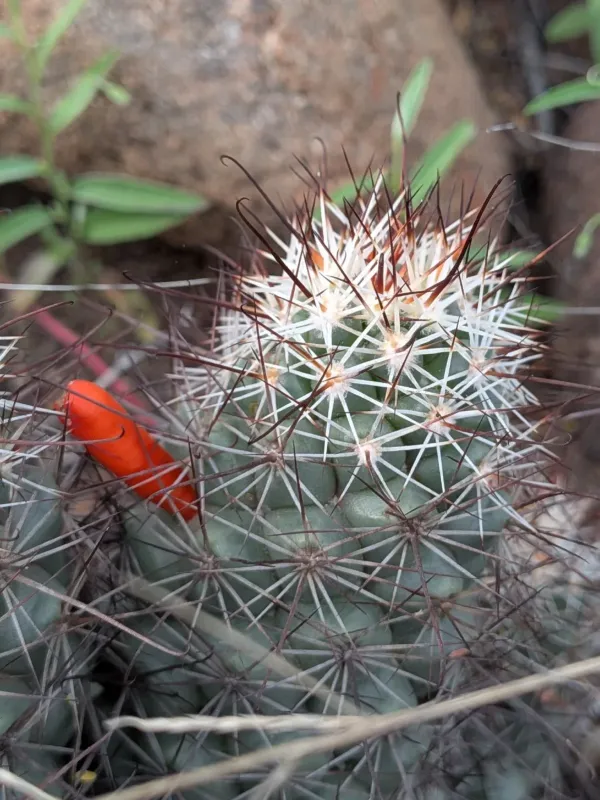
Description
Growing requirements
Mammillaria schumannii is a distinct species belonging to the Cactaceae family. This succulent plant is native to the Baja California Peninsula in Mexico, where it thrives in rocky, arid environments.
The plant features a small, globose body covered with tubercles and spines. It is highly valued in horticulture for its beautiful, large bell-shaped flowers that bloom in shades of rose or lavender.
Cultivation requires a well-draining, gritty soil mix. Standard potting soil is insufficient; growers typically use a mix of coarse sand, pumice, and minimal organic matter to prevent root rot.
Lighting is a crucial factor for this species. It requires intense sunlight to maintain its natural shape and dense spine production. Lack of light leads to poor development and weakness.
Temperature requirements involve warm summer days and a distinct cool dormant period during winter. Keeping the plant dry during winter is essential to ensure a successful blooming cycle the following spring.
Main diseases and pests
The primary threat to Mammillaria schumannii is root rot, caused by overwatering or poor drainage. Once the roots and the base of the stem start to rot, the plant is often difficult to save.
Pests such as red spider mites are common in dry, indoor conditions. These pests feed on the succulent tissues, leaving unsightly scars on the cactus surface that do not disappear over time.
Mealybugs are another common pest that hides in the crevices between tubercles. They can be effectively controlled using systemic insecticides or by spot-treating with isopropyl alcohol.
Preventative care involves ensuring good airflow around the plants. Stagnant air encourages both fungal spores and insect infestations, making ventilation a key part of the agrotechnology.
For long-term health, growers should avoid mechanical damage to the tubercles during handling, as wounds can serve as entry points for pathogens and lead to localized rotting or scarring.