
Mammillaria sartorii
Mammillaria sartorii
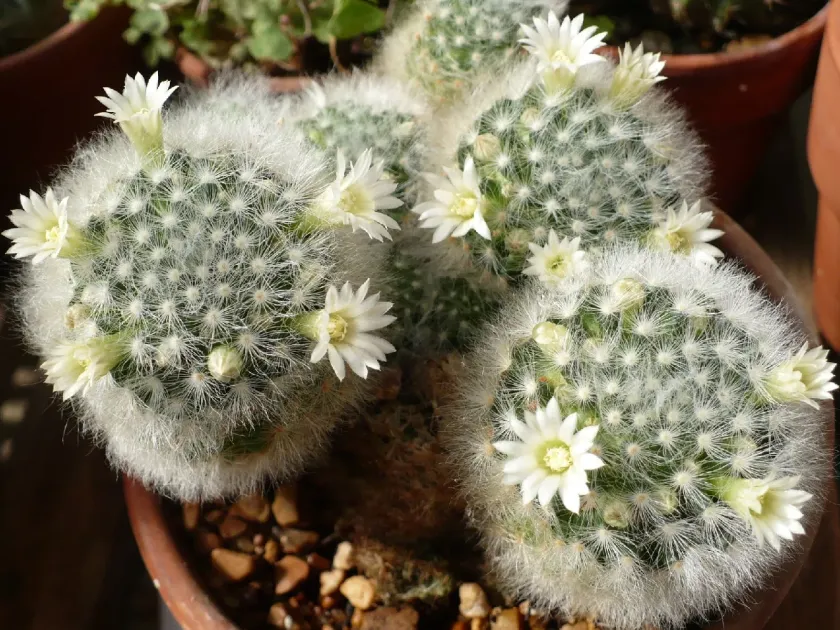
Description
Growing requirements
Mammillaria sartorii is a captivating succulent belonging to the Cactaceae family. Originating from the arid regions of Mexico, this species has adapted to survive in harsh, rocky environments, which dictates its specific cultivation needs in captivity.
The plant is characterized by its globular, sometimes elongated, stems densely covered with tubercles. These tubercles are essential for the plant's metabolic processes and contribute to its distinct visual appeal within any botanical collection.
Successful cultivation requires a highly porous, well-draining substrate. A mix consisting of mineral components, such as pumice, perlite, and coarse sand, is ideal to prevent water retention and ensure optimal root aeration throughout the year.
This species thrives under intense light conditions. It requires bright, direct sunlight to maintain its structural integrity and avoid etiolation. In environments with insufficient natural light, supplemental artificial lighting is often necessary for healthy development.
The water regime must be strictly regulated. The plant should be watered thoroughly but infrequently, allowing the substrate to dry out completely between sessions. During winter, the plant enters a period of dormancy and requires significantly less water and cooler temperatures.
Main diseases and pests
Mealybugs are the most persistent pests for Mammillaria sartorii. Their ability to hide within the dense tubercles makes physical inspection difficult, often requiring the use of systemic insecticides to ensure total eradication.
Root rot, often caused by overwatering or poor drainage, remains the primary threat to the health of the cactus. Symptoms include the softening of the stem base and a noticeable decline in the plant's overall turgor pressure.
Spider mites may appear in environments with extremely low humidity. They typically target the growth points of the cactus, leaving behind unsightly scarring and stunted development if not managed promptly.
Fungal infections can occur when the plant is kept in conditions with poor air circulation. These pathogens thrive in stagnant, humid environments, necessitating proper ventilation protocols in greenhouse or indoor settings.
Maintaining a clean growing area and performing regular health checks are essential practices. Preventive measures, such as using sterilized potting mixes and maintaining proper spacing between plants, significantly reduce the risk of disease outbreak.