
Mammillaria rhodantha
Mammillaria rhodantha
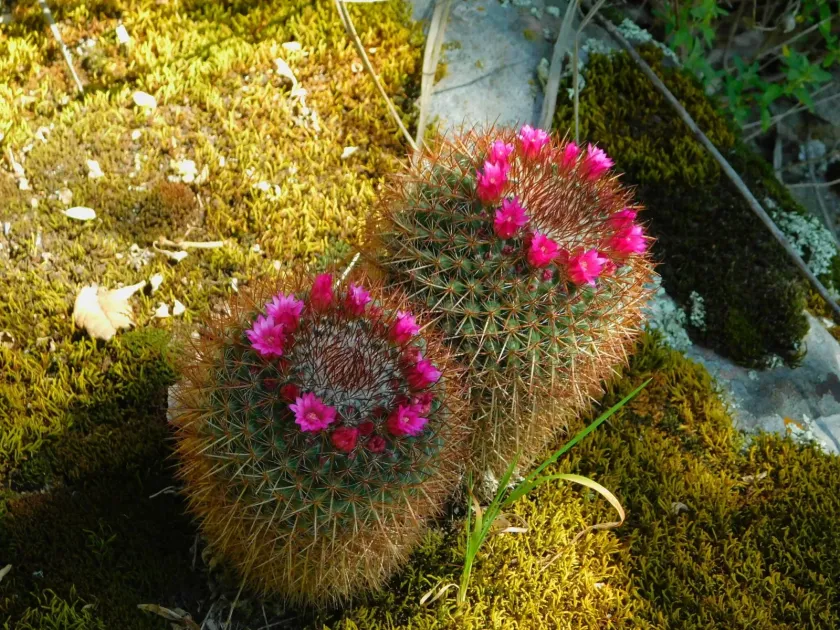
Description
Sowing dates
Sowing seeds of Mammillaria rhodantha is best performed during early spring to take advantage of increasing daylight and rising temperatures.
A well-draining, sterile substrate comprising pumice, coarse sand, and a small amount of peat moss is essential for optimal germination success.
Seeds are sown on the surface and should be kept consistently moist under a transparent cover until the first seedlings emerge, typically within 14–21 days.
Maintaining a stable temperature around 23–25 degrees Celsius is critical for high germination rates during the initial weeks of development.
Young seedlings require gentle ventilation once the seeds have germinated to prevent fungal damping-off and promote strong, healthy growth.
Growing requirements
Mammillaria rhodantha belongs to the Cactaceae family and originates from the mountainous regions of central Mexico, thriving in rocky, well-drained habitats.
This species requires high light intensity; placing it in a south-facing window or under artificial grow lights ensures compact growth and dense spine production.
Watering should be performed only when the substrate is completely dry, significantly reducing frequency during the winter dormancy period.
The soil pH should ideally be slightly acidic or neutral, providing the necessary minerals while preventing compaction which suffocates delicate roots.
Successful cultivation involves seasonal temperature variation, with cooler, dry conditions in winter being mandatory for triggering the characteristic flowering cycle.
Main diseases and pests
Common pests affecting this species include mealybugs, which hide in the axils between tubercles, and red spider mites in low-humidity environments.
Root rot is the most common physiological issue caused by poor drainage or excessive watering during periods of low light and cool temperatures.
Fungal infections can lead to rapid deterioration of the stem tissue, often requiring surgery to cut away the infected parts and treat with fungicides.
Regular inspection of the plant's epidermis and root system is vital to catch infestations before they spread to other collections.
Applying systemic insecticides is recommended as a preventative measure, especially when plants are moved from indoor to outdoor environments.