
Mammillaria rekoi
Mammillaria rekoi
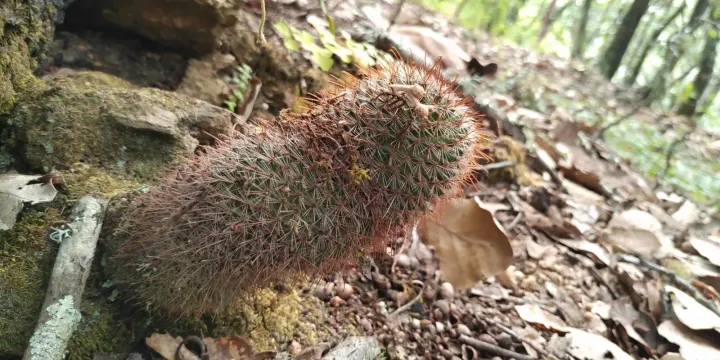
Description
Sowing dates
Propagation of Mammillaria rekoi is primarily achieved through seeds, which ensures healthy and robust plant development. The most favorable period for sowing is during the spring months, from March to May, when increasing day lengths provide the necessary energy for germination.
To ensure successful sowing, use a well-drained and lightweight substrate composed of sterilized soil mixed with coarse sand or perlite. Sterilization is essential to protect delicate seedlings from fungal pathogens that thrive in high-humidity environments.
Seeds should be distributed evenly on the surface of the moist soil without burying them deep. Covering the container with plastic or glass helps maintain a consistent microclimate with temperatures ranging between 22 and 25 degrees Celsius.
Once seedlings emerge, the cover should be removed gradually to acclimatize them to the ambient humidity of the room. It is crucial to maintain adequate ventilation to prevent the buildup of mold on the soil surface.
Transplanting (pricking out) should only be performed when the young cacti reach the size of a small marble and have developed their first protective spines. Gentle handling is vital to avoid damaging the vulnerable root system during this stage.
Growing requirements
Mammillaria rekoi belongs to the Cactaceae family and is native to the rocky landscapes of Mexico. This culture requires high levels of natural light and is best placed in positions that receive direct sunlight for most of the day, such as south-facing windows.
Soil requirements are strict: the medium must have excellent drainage and high mineral content. Avoid heavy peat-based soils, and instead, opt for a cactus-specific mix enriched with gravel, crushed brick, or pumice to prevent root asphyxiation.
Temperature management is crucial; while the plant thrives in warm summer conditions, it requires a significant "rest period" during winter. Dropping temperatures to around 10-12 degrees Celsius during winter helps stimulate bud formation for the next season.
Watering should be approached with caution: only water when the substrate is completely dry to the touch. During the winter dormancy phase, watering should be reduced to an absolute minimum to prevent rot, which is the most common cause of plant death.
This species is highly adapted to arid environments, making air humidity control relatively simple. There is no need for misting or additional humidity; in fact, stagnant humid air can encourage fungal issues on the skin of the cactus.
Main diseases and pests
Root and stem rot represent the most significant threat to Mammillaria rekoi, usually caused by overwatering or poor soil drainage. Infected tissues often become soft, discolored, and watery, necessitating immediate removal of the damaged parts.
Mealybugs are common pests that hide within the tubercles of the cactus, extracting plant sap. Their presence is easily identified by the white, cotton-like wax they produce, which often accumulates in the crevices of the plant body.
Spider mites are notorious for attacking cacti in hot and dry conditions. They leave behind fine webbing and cause characteristic yellow or bleached spots on the plant epidermis, which can lead to permanent scarring if left untreated.
Root mealybugs live underground and can be difficult to detect until the plant starts showing signs of stunted growth or wilting. Regular inspection of the roots during repotting is an essential practice for maintaining long-term plant health.
Effective management involves a combination of mechanical cleaning, using systemic insecticides, and maintaining proper cultural conditions. Always quarantine new plants to prevent the spread of pests to your existing cactus collection.