
Mammillaria prolifera
Mammillaria prolifera
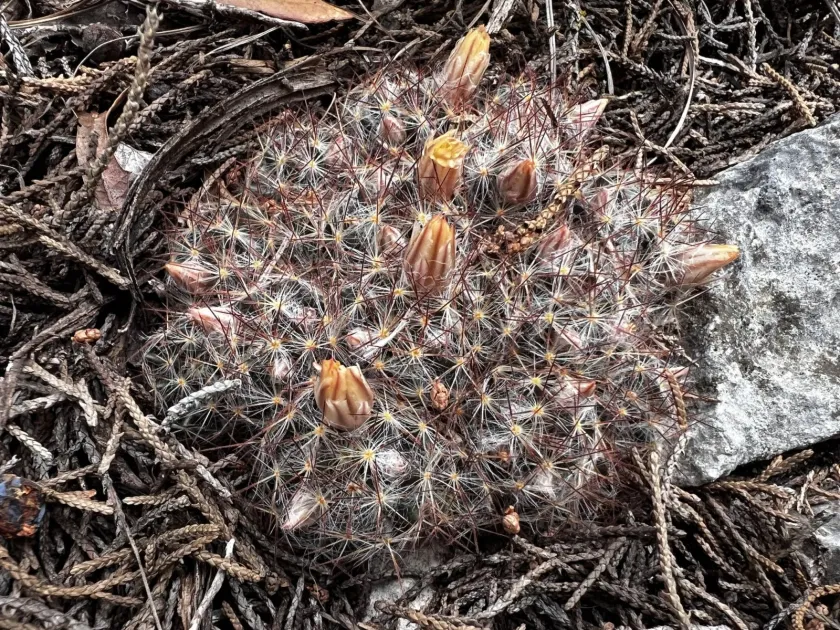
Description
Growing requirements
Mammillaria prolifera is a succulent plant belonging to the Cactaceae family, widely cultivated for its ornamental value. It is native to the Caribbean region, where it typically grows in rocky, well-draining soils with limited access to water and nutrients.
The cultivation of this species requires a highly porous substrate, often composed of a mix of sand, grit, and standard potting soil. Good aeration of the root system is essential to prevent physiological disorders that lead to stunted growth or decline.
Light requirements are significant; the plant demands high intensity of solar radiation to maintain its compact, clumping growth habit. In greenhouse conditions, supplemental lighting may be necessary during overcast periods to maintain the integrity of the plant's structure.
Irrigation must follow a strict cycle: generous watering during the active growth phase, followed by a total drought period during winter dormancy. Failure to follow this cycle results in weak, etiolated growth and inhibits the formation of its characteristic flowers and berries.
Fertilization should be handled with care, using a low-nitrogen formula specifically designed for succulents. Over-fertilization risks stimulating succulent tissue that is highly susceptible to pests and lacks the natural resistance typical of the species.
Main diseases and pests
Mealybugs are the most common pests affecting Mammillaria prolifera, as they can easily hide within the dense spine network. They feed on plant sap, causing yellowing and stunted development, and require prompt treatment with contact or systemic insecticides.
Root rot, primarily caused by fungal pathogens such as Pythium or Phytophthora, is the leading cause of loss in cultivation. It is almost always a result of overwatering or the use of heavy, moisture-retentive soil mixtures that stay wet too long.
Red spider mites often attack the epidermis in hot and dry environments, leading to unsightly brown scarring on the plant body. Frequent misting or the use of targeted miticides is recommended for control during the hottest summer months.
Physiological disorders such as sunscald may occur if plants are suddenly moved from a shaded environment to direct sunlight. Gradual acclimatization is necessary to prevent permanent damage to the photosynthetic tissues.
Regular sanitation of the growing environment is essential to prevent the spread of diseases. This includes removing dead organic matter from the surface of the pots and ensuring proper air circulation around the plants.