
Mammillaria pottsii
Mammillaria pottsii
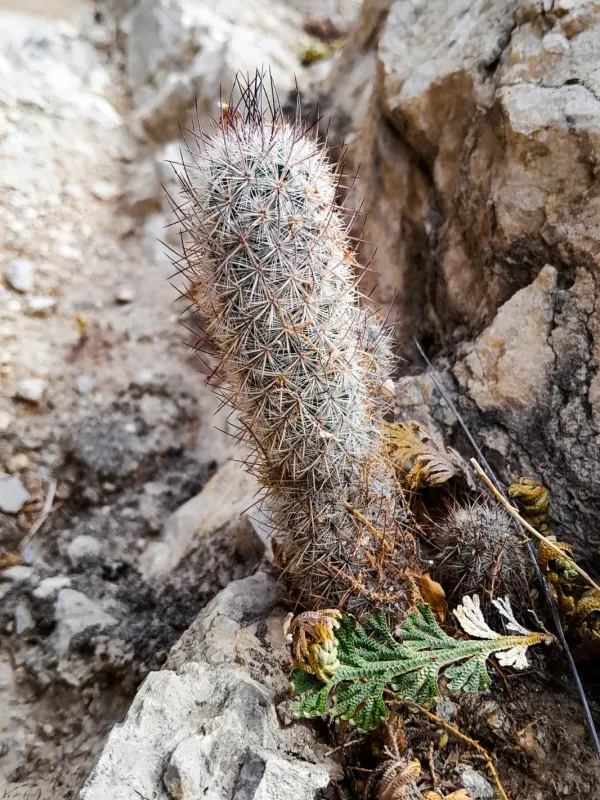
Description
Growing requirements
Mammillaria pottsii is a perennial succulent species belonging to the Cactaceae family. Native to the southwestern United States and Northern Mexico, this plant has evolved to thrive in arid environments, often clinging to limestone rocky outcrops.
The plant features cylindrical stems that typically cluster together as the specimen matures. A defining aesthetic feature is its dense covering of fine, radial spines, which effectively camouflage the stem and provide protection against direct intense desert heat.
This species requires high light levels to maintain its characteristic structure. In indoor agricultural settings, it is essential to provide direct sun exposure for several hours daily to prevent etiolation and ensure the development of robust spine density.
The cultivation medium must have superior drainage characteristics to mimic the natural rocky habitats of the species. A mixture comprising coarse sand, crushed gravel, and a minimal amount of organic matter is ideal for ensuring root health.
Watering strategies must be strictly regulated based on the seasonal cycle. During the active growing period, water only when the substrate has completely dried, and avoid any hydration during the winter dormancy stage to prevent root rot.
Main diseases and pests
The primary agricultural threat to this species is physiological damage caused by overwatering, which leads to necrotic stem rot. This is usually compounded by high humidity and poor air circulation, which facilitate fungal growth.
Pest pressures primarily include sap-sucking insects such as mealybugs and spider mites. These pests prefer the tight crevices between the tubercles, making them difficult to detect until significant damage to the epidermis has already occurred.