
Mammillaria poselgeri
Mammillaria poselgeri
Description
Growing requirements
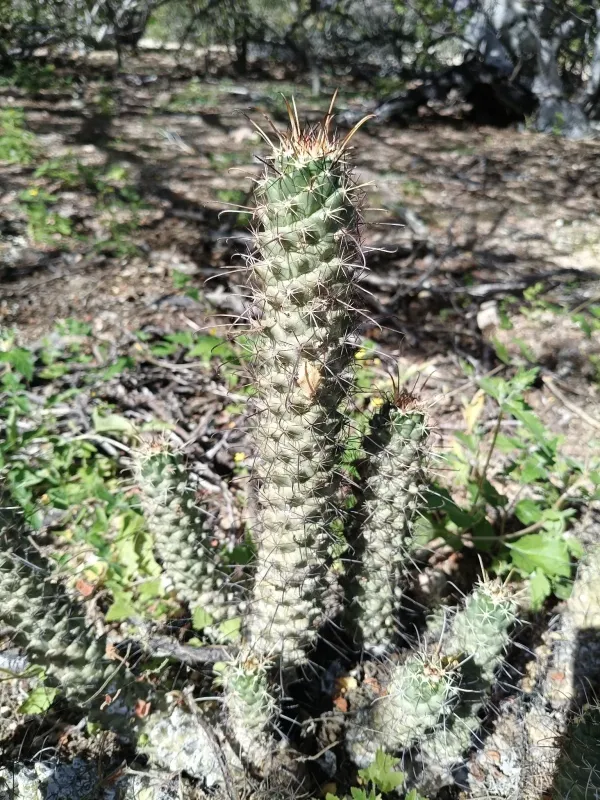
Mammillaria poselgeri is a unique member of the Cactaceae family. Unlike many other Mammillaria species known for their globose shapes, this species produces long, sprawling or trailing stems that can grow quite extensive in favorable conditions.
The plant originates from the arid landscapes of Baja California, Mexico. In its native habitat, it grows among rocks and shrubs, using other vegetation to support its unique, elongated stems as they develop.
To cultivate this species successfully, a highly porous and inorganic soil mix is essential. Using a combination of coarse sand, perlite, and fine gravel ensures proper aeration and prevents the roots from sitting in stagnant moisture.
Light intensity is a critical factor for the healthy development of this plant. It thrives under full, direct sunlight, which is necessary to maintain the structural integrity and the natural development of its spines and stems.
The watering regime should follow the cycle of seasonal growth and dormancy. During the growing season, water sparingly once the soil has completely dried out; in winter, keep the plant dry to mimic its natural dormancy period.
Main diseases and pests
The most common threat to this species is the incidence of fungal and bacterial rot, typically caused by improper drainage or excessive soil moisture during lower temperature intervals.
Root mealybugs present a significant risk to these plants. These pests often go unnoticed within the root zone, feeding on the plant's nutrients and causing systemic decline.
Spider mites can also cause damage, especially in indoor environments with limited airflow and low humidity, leading to unsightly scarring on the skin of the stems.
Preventive measures include the use of sterilized soil media and regular inspections of the root systems during the annual repotting process to identify early signs of infestation.
Mechanical damage to the epidermis, especially from improper handling or pests, creates entry points for infections that can rapidly compromise the integrity of the long stems.