
Mammillaria pondii
Mammillaria pondii
Description
Growing requirements
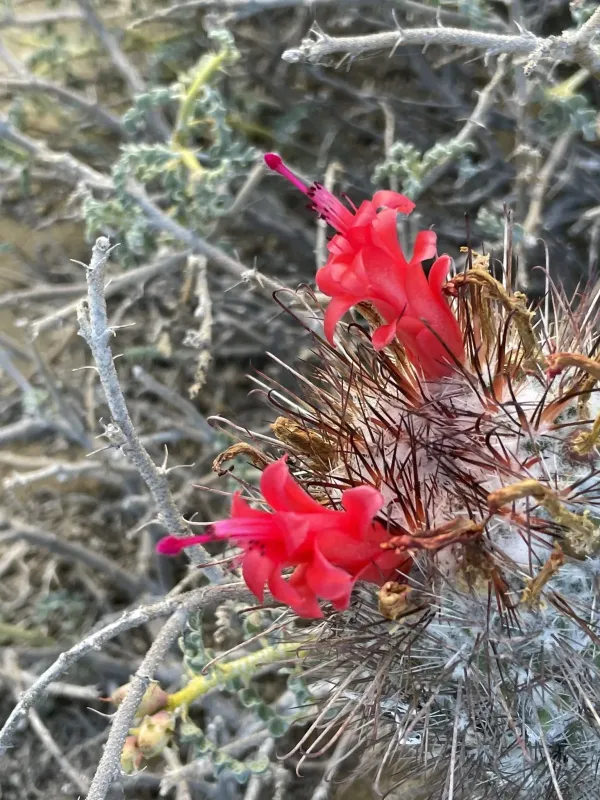
Mammillaria pondii is a distinctive succulent species belonging to the Cactaceae family. It is native to the Cedros Island and the adjacent coast of Baja California, Mexico, where it thrives in arid, rocky environments.
This plant requires intense sunlight to maintain its characteristic cylindrical shape and density of spines. Providing insufficient light will result in etiolation, where the stem becomes elongated and weak, significantly reducing the plant's ornamental value.
The substrate must be highly porous, consisting of a mix of pumice, coarse sand, and a small amount of potting soil. Excellent drainage is non-negotiable, as the roots are extremely sensitive to prolonged exposure to water.
Temperature management is critical; during the active growing season, it prefers warm days and cooler nights. A distinct winter dormancy period with cool, dry conditions is required to initiate the flowering process.
Botanically, Mammillaria pondii is recognized by its dense covering of radial and central spines and its striking, bright red tubular flowers. It is widely cultivated by enthusiasts as a prized ornamental specimen in succulent collections.
Main diseases and pests
Root rot is the most common threat to this species, caused primarily by overwatering or soil that retains too much moisture. Ensuring that the medium dries completely between waterings is the best preventative measure.
Mealybugs are the most frequent insect pest, often hiding deep within the tubercles or the woolly areoles. These pests suck the plant's sap, potentially introducing pathogens that lead to tissue necrosis.
Spider mites can become a problem in environments with poor air circulation and low humidity. Signs of infestation include yellowing or bronzing of the skin, which indicates the mites are feeding on the epidermis.
Fungal infections can occur if the cactus is kept in cold, humid conditions without proper ventilation. Any rot detected on the stem should be excised immediately with a sterile tool and the wound treated with sulfur powder.
Regular inspection of the plant's crown is necessary to catch infestations early. Maintaining a hygienic environment and using proper cultivation techniques will significantly reduce the likelihood of disease outbreaks.