
Mammillaria pilispina
Mammillaria pilispina
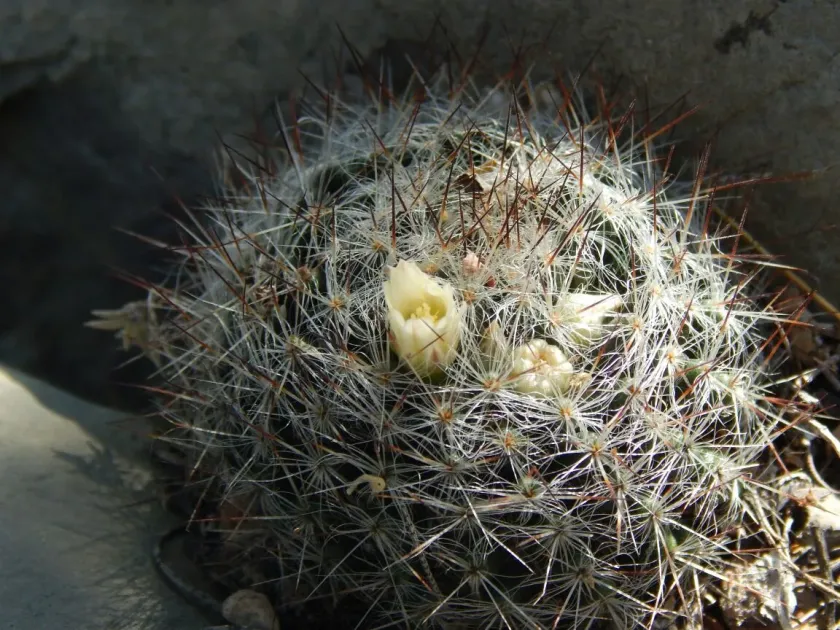
Description
Growing requirements
Mammillaria pilispina is a distinct species within the Cactaceae family, native to the arid landscapes of Mexico. Known for its radial spines and compact growth, this plant is a staple for specialized succulent collections and commercial ornamental plant production.
The culture requires an environment that mimics its natural habitat: high intensity of light is paramount for structural integrity. Providing a south-facing exposure or supplemental artificial grow lights is necessary for healthy, dense spine development and blooming.
Soil requirements are strict regarding drainage. A standard cactus mix consisting of porous inorganic material such as pumice, coarse sand, and a small amount of peat moss provides the aeration needed to prevent root respiration issues and rot.
Watering practices should follow the seasonal cycle. During the active growth season from spring to late summer, the substrate should be allowed to dry out completely between waterings. Excessive moisture, especially during the dormant winter months, is the most common cause of failure in cultivation.
Climate control for Mammillaria pilispina involves maintaining moderate temperatures during the day and ensuring a distinct drop at night, which helps stimulate the metabolic processes essential for flowering during the spring season.
Main diseases and pests
Mealybugs are the most common pests affecting this species. They frequently hide in the axils between the tubercles, requiring careful application of systemic insecticides or mechanical removal with isopropyl alcohol to prevent infestation spread.
Spider mites can become problematic in low-humidity environments. Their presence is indicated by fine webbing and discoloration on the cactus epidermis. Prompt treatment with acaricides is required to prevent permanent surface damage.
Fungal infections, particularly root rot, are usually a result of poor cultivation practices such as overwatering or utilizing dense soil that retains too much moisture. Once root rot sets in, radical measures like stem cuttings are often the only way to save the plant.
Etiolation is a physiological disorder caused by insufficient light, leading to a weak and elongated stem. While not a disease, it severely weakens the cactus's resistance to pests and renders it susceptible to opportunistic fungal infections.
Bacterial soft rot can occur if wounds on the stem are not properly treated. Applying sulfur powder or charcoal dust to any damaged area is a standard agricultural procedure to protect the internal tissues from pathogens.