
Mammillaria picta
Mammillaria picta
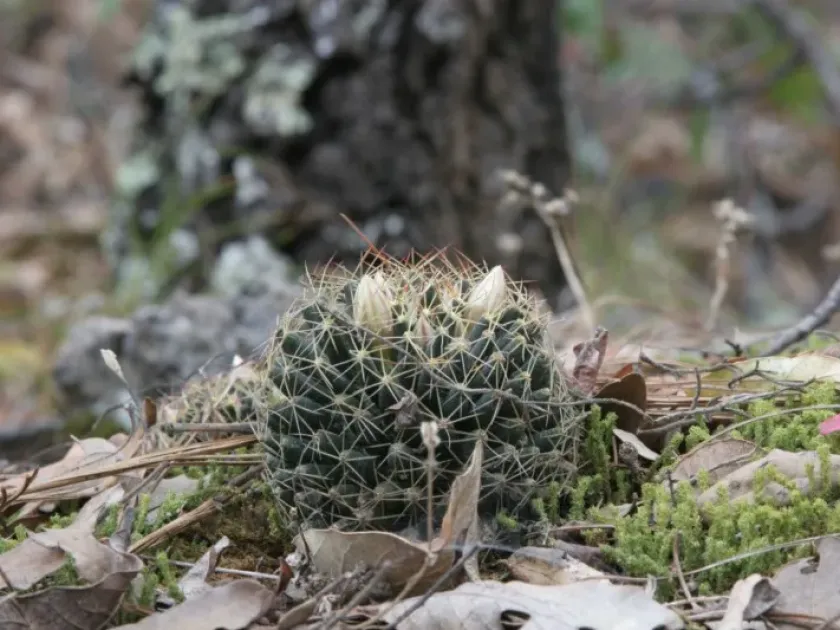
Description
Growing requirements
Mammillaria picta is a small, solitary or clumping cactus belonging to the Cactaceae family, native to the arid and rocky regions of Mexico.
Botanically, it is characterized by its compact, spherical shape covered in fine spines, which helps the plant adapt to its natural extreme environment.
The culture requires a well-draining, mineral-based substrate to prevent root asphyxiation, as this species is highly susceptible to excess moisture.
Light intensity should be high to ensure the plant maintains its natural shape; otherwise, the cactus may etiolate and become weak.
Temperature management is critical: it thrives in warm conditions during the summer and requires a cool, dry dormancy period during the winter months.
Main diseases and pests
The primary threat to Mammillaria picta is fungal root rot, usually caused by improper irrigation or soil that remains damp for extended periods.
Spider mites are common pests that target the delicate areas between the tubercles, potentially causing unsightly scarring on the cactus body.
Mealybugs are another persistent threat that can infest the plant, hiding deep within the dense spine clusters where they are difficult to reach.
Regular inspection of the plant's surface and root health is necessary for early detection of potential biological threats or structural rot.
Applying appropriate pesticides or cleaning the plant with isopropyl alcohol can effectively manage pest outbreaks if they occur during the growth season.