
Mammillaria petterssonii
Mammillaria petterssonii
Description
Growing requirements
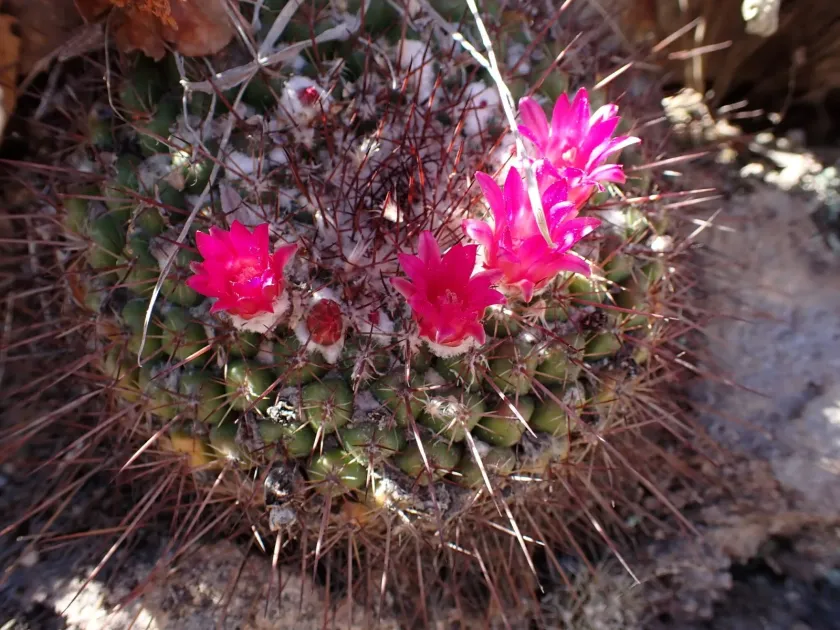
Mammillaria petterssonii is a distinct species within the Cactaceae family, native to the arid regions of Mexico. This succulent plant is highly valued for its spherical to cylindrical growth habit and its ability to produce vibrant flowers in the crown area.
In terms of habitat and cultivation, this species thrives in well-draining, gritty substrates. A typical soil mix should consist of mineral components such as volcanic rock, coarse sand, and perlite to prevent root rot, which is the most common cause of plant loss.
Environmental conditions require high levels of solar radiation to maintain a natural, compact shape. During the spring and summer growing season, the plant benefits from long hours of direct sunlight, ensuring robust spine development and healthy physiological processes.
Temperature management is critical for the lifecycle of Mammillaria petterssonii. While it tolerates warm conditions during the day, it requires a significant temperature drop during the night and a distinct period of winter dormancy at lower temperatures (around 10°C) to induce blooming.
Watering practices must be strictly controlled, following a dry-cycle methodology. It is essential to let the soil medium dry out completely between waterings to mimic the natural hydrological conditions of its original alpine desert environment.
Main diseases and pests
The primary threats to Mammillaria petterssonii include fungal infections such as root and stem rot. These occur predominantly in poorly ventilated environments where moisture is allowed to accumulate at the base of the plant for extended periods.
Pest infestations, particularly mealybugs, are frequent in indoor collections. These insects hide deep within the tubercles, making them difficult to eradicate without systemic treatments. Regular inspection of the plant's apex is recommended for early detection.
Spider mites are another major threat, especially when ambient humidity is consistently low. Their feeding activities cause visible scarring on the plant's epidermis, which significantly depreciates its aesthetic value and physiological health.
Integrated pest management, including the use of targeted acaricides and insecticides, is necessary for maintaining healthy plants. Keeping the collection free of dust and ensuring adequate airflow are key preventative measures against these common pests.
In the event of severe infection, specialized fungicides are required. It is often recommended to repot the plant in sterile, fresh substrate after cleaning the roots to ensure complete elimination of soil-borne pathogens and larvae.