
Mammillaria perbella
Mammillaria perbella
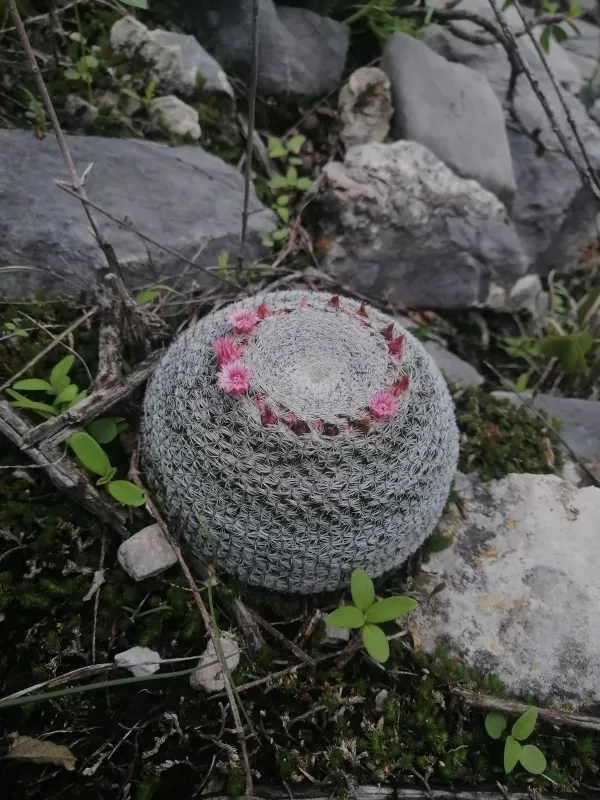
Description
Sowing dates
Propagation of Mammillaria perbella is most commonly achieved through seeds, which allows for the development of healthy and symmetrical specimens. The best time for sowing is during the spring, as the increasing day length provides natural stimulation for the growth of seedlings.
Seeds should be sown in shallow containers filled with a lightweight, well-draining substrate consisting of a mixture of sand and loamy soil. It is essential to maintain a temperature between 20 and 25 degrees Celsius to ensure a high germination rate.
To create an optimal microclimate, the containers should be covered with plastic wrap or glass, which must be removed daily to provide ventilation and prevent mold growth. Moisture should be applied using a spray bottle to avoid disturbing the fragile seedlings.
Once the first spines appear, the seedlings should gradually be acclimated to fresh air by increasing the duration of exposure. Pricking out young plants should only be done when they are sufficiently strong and have reached a size suitable for transplanting into individual pots.
While vegetative propagation through offsets is possible, it is less common as Mammillaria perbella naturally tends to grow as a solitary or sparsely branching stem, and removing pups may affect the plant's aesthetic shape.
Growing requirements
Mammillaria perbella belongs to the Cactaceae family and is native to the rocky soils of Mexico. This crop requires maximum bright, yet diffused light, making south or southeast-facing windows the ideal location for indoor cultivation.
The soil requirements for this cactus are strict: the substrate must be airy and water-permeable with a neutral or slightly acidic pH. It is recommended to use specialized cactus potting mixes amended with fine gravel or coarse sand to ensure efficient drainage.
Watering must be moderate during the growing season and severely limited during the winter dormancy period. Standing water in the pot is fatal to the root system and leads to rapid rot, which is often irreversible for the plant.
The temperature range during summer can be between 20 and 30 degrees Celsius, provided there is good air circulation. In winter, the cactus requires a cool environment between 10 and 12 degrees Celsius, which is necessary for the development of flower buds for the following season.
Air humidity is not critical for this species, as it is naturally adapted to arid conditions. Misting the cactus is unnecessary and can be harmful if water accumulates between the tubercles of the stem.
Main diseases and pests
The most significant threats to Mammillaria perbella are root rots, typically caused by overwatering in combination with low temperatures. Preventive measures include strictly adhering to watering schedules and ensuring high-quality drainage at the bottom of the container.
Common pests include mealybugs and spider mites. Mealybugs appear as white, cotton-like deposits in the crevices of the stem, which can be easily identified through regular inspection of the plant's surface.
Spider mites damage the epidermis of the cactus, leaving discolored, dry patches and fine webbing. To combat these pests, systemic insecticides and acaricides should be used according to the manufacturer's specific instructions.
To prevent infestation, it is important to regularly examine the plant and maintain clean growing conditions. Upon detection of any signs of disease or pests, the specimen should be isolated from other plants immediately to prevent the spread of the issue.
- Allow substrate to dry completely between watering sessions.
- Ensure adequate ventilation in the growing area.
- Always use sterilized soil for repotting operations.
- Regularly monitor the base of the plant for any soft spots.