
Mammillaria pennispinosa
Mammillaria pennispinosa
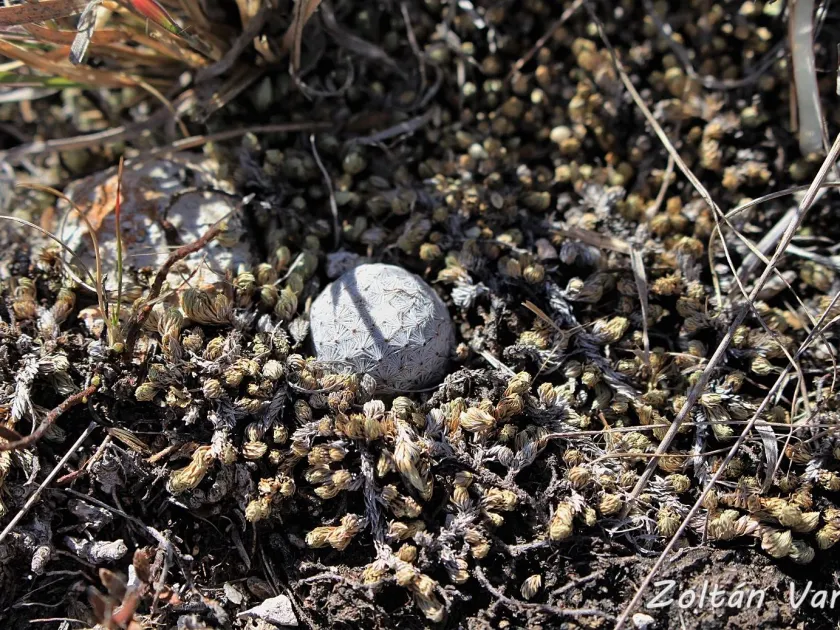
Description
Growing requirements
Mammillaria pennispinosa is a small, slow-growing succulent belonging to the Cactaceae family, originating from the arid regions of Mexico. It is highly valued in the horticultural world for its intricate, feathery spines and beautiful, delicate flowers.
For successful cultivation, the plant requires an extremely well-draining substrate. A mineral-based soil mixture, rich in coarse sand, pumice, or fine gravel, is essential to prevent moisture accumulation near the delicate root system.
This species demands bright, direct light for most of the year. When grown in greenhouses or indoor collections, providing maximum sunlight is crucial for maintaining the plant's characteristic compact shape and dense spine development.
The watering regimen must be strictly managed. During the growing season, water should be applied only when the soil is completely dry. Overwatering is the most common cause of failure in cultivating this specific plant.
Winter dormancy is a critical phase for this crop. It requires cool temperatures and a completely dry environment to prepare for the spring blooming cycle. Lack of a proper cooling period often leads to poor growth and increased disease susceptibility.
Main diseases and pests
The primary threat to Mammillaria pennispinosa is root rot, induced by waterlogged soil conditions. Poor drainage or excessively humid environments rapidly destroy the root system, making the plant difficult to recover.
Mealybugs are the most common pests that infest these cacti. These insects tend to cluster in the small spaces between tubercles, making them hard to reach. Regular inspections and early intervention are vital for control.
Spider mites represent another significant threat, particularly in dry and hot conditions. They cause damage to the skin of the cactus, leaving visible, ugly scars that diminish the plant's aesthetic and commercial value.
Pest management involves the application of appropriate systemic insecticides. It is recommended to apply treatments as soon as any signs of infestation appear to prevent the spread to other members of the collection.
Sanitation practices in the growing area, including proper tool sterilization and maintaining adequate ventilation, are the best methods for preventing secondary fungal infections and maintaining the health of the specimens.