
Mammillaria pectinifera
Mammillaria pectinifera
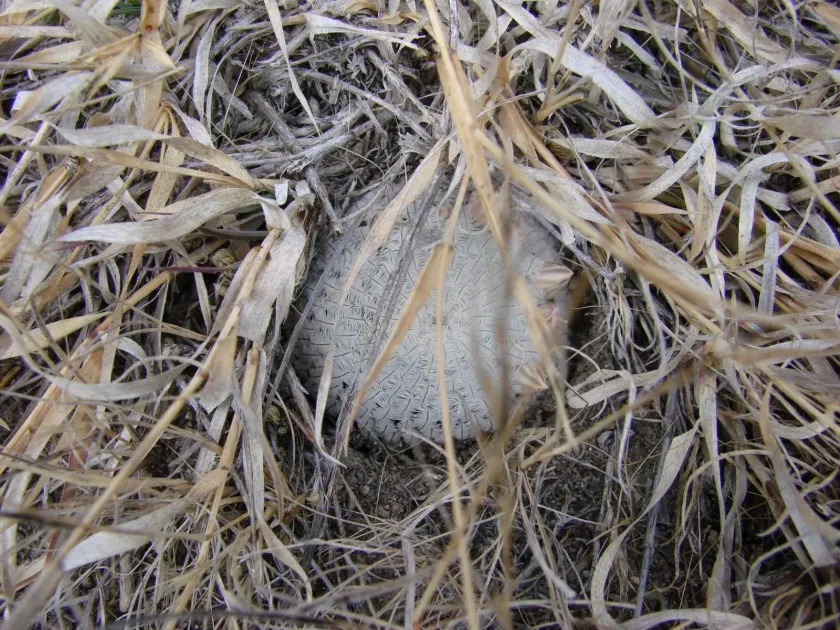
Description
Sowing dates
Mammillaria pectinifera is primarily propagated by seeds. Sowing should be carried out during the spring period, optimally in March or April, when the daylight hours begin to increase significantly.
A light, sandy substrate should be used for germination, which must be pre-sterilized to prevent the development of fungal diseases in young seedlings.
The seeds are spread evenly over the surface of the moistened soil without burying them deeply, or by lightly covering them with fine sand. The container should be covered with glass or film to maintain constant air humidity.
An important condition is to ensure a stable temperature in the range of 20–25 degrees Celsius. After sprouts appear, the covering is gradually removed, acclimatizing the plant to environmental conditions.
Pricking out the young cacti is carried out 6–12 months after germination, once the seedlings have strengthened and reached a sufficient size for transplanting into individual pots.
Growing requirements
This crop belongs to the Cactaceae family and is native to the arid regions of Mexico, primarily in the states of Puebla and Oaxaca.
The plant requires bright, diffused sunlight. If lighting is insufficient, the stem will begin to elongate, losing its characteristic decorative shape and pectinate pubescence.
The soil mixture must have excellent drainage capabilities. It is recommended to use a substrate based on sod soil, leaf mold, and coarse-grained sand in equal proportions.
The temperature regime during the summer period should be 22–30 degrees Celsius. In winter, the plant requires a dormant period at lower temperatures between 8 and 12 degrees and minimal watering.
Watering is performed very carefully, only after the soil clump has completely dried out. An excess of moisture quickly leads to root system rot and the death of the plant.
Main diseases and pests
The main threats to Mammillaria pectinifera are pests such as mealybugs, which hide in the dense pubescence of the stem.
Root rot is the most common disease, caused by an incorrect watering regime or the use of heavy, moisture-retentive soil.
Spider mites can affect the cactus if the air in the room is too dry. Prevention includes regular inspection of the plant and maintaining an optimal humidity level.
In case of fungal infections, systemic fungicides must be used, and if insects are detected, treatment with appropriate insecticides is required.
Regular ventilation and preventing water stagnation in the tray are the primary methods for protecting this crop from pathogens.