
Mammillaria parkinsonii
Mammillaria parkinsonii
Description
Sowing dates
Sowing seeds of Mammillaria parkinsonii is best performed in early spring, coinciding with the increase in daylight hours. This timing provides optimal conditions for the delicate seedlings to establish themselves.
The substrate for sowing should be light, well-draining, and sandy. Sterilizing the soil mix before sowing is highly recommended to prevent damping-off diseases that can wipe out entire batches of seedlings.
Seeds are placed on the surface and pressed gently into the moist mix. A transparent cover is essential to maintain high humidity levels, which is vital during the germination phase of this cactus species.
Once germination occurs, regular ventilation is necessary to toughen the seedlings. Over time, the humidity is gradually lowered to match the surrounding environment, ensuring a smooth transition.
Seedlings remain sensitive during their first year and require consistent care, including protection from direct scorching sun and careful water management to prevent fungal issues.
Growing requirements
Mammillaria parkinsonii, a member of the Cactaceae family, originates from the rocky and arid regions of Mexico. It is a highly specialized plant adapted to thrive in harsh, sunny environments.
The soil requirements focus on drainage; using a mix of coarse sand, gravel, and minimal organic matter is standard. This structure mimics the natural habitat where the plant grows in rocky crevices.
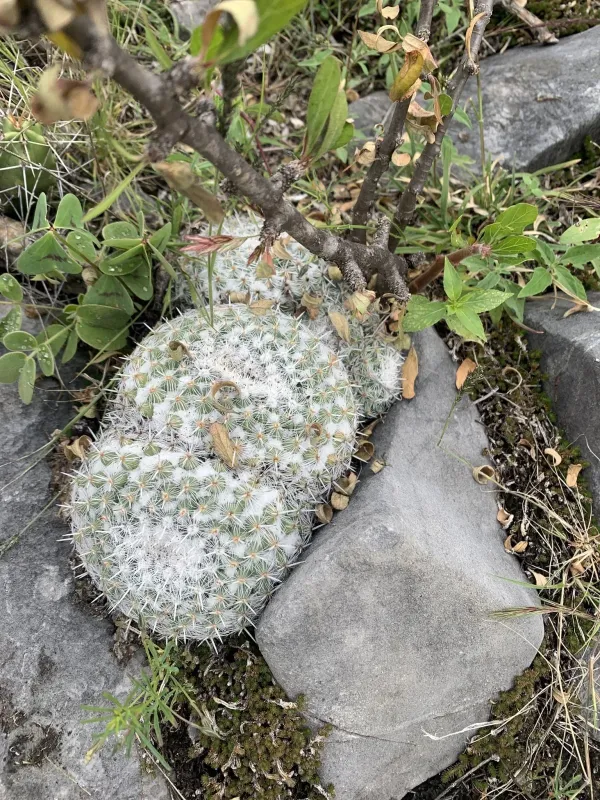
Bright, indirect light or full sun is necessary for the plant to maintain its characteristic compact shape and dense white spination. Insufficient light leads to etiolation and loss of the plant's aesthetic value.
Watering should be strictly regulated, occurring only when the soil is completely dry. During winter dormancy, the plant requires a cool and dry environment to stimulate future flowering cycles.
In terms of usage, this plant is primarily an ornamental species. It is highly valued in horticulture and among plant collectors for its dual-headed growth habit and unique white, wool-like appearance.
Main diseases and pests
Excessive moisture is the primary threat to the health of Mammillaria parkinsonii. It causes root rot, which is often fatal if not diagnosed and treated by repotting into fresh, dry substrate immediately.
Spider mites are common pests that thrive in dry indoor conditions. They feed on the sap, causing unsightly scarring on the skin of the cactus, which often requires chemical control to manage.
Mealybugs can be found nestled deep between the tubercles of the plant, protected by their waxy secretions. Regular cleaning or targeted systemic insecticides are effective ways to eliminate these infestations.
Root mealybugs are a hidden danger that can stunt growth significantly. They attack the root system, so periodic inspection during repotting is crucial for the long-term health of the collection.
Preventative care involves ensuring good airflow and avoiding overcrowding of plants. Early detection of pests or symptoms of rot is the key to maintaining a healthy and thriving succulent collection.