
Mammillaria nunezii
Mammillaria nunezii
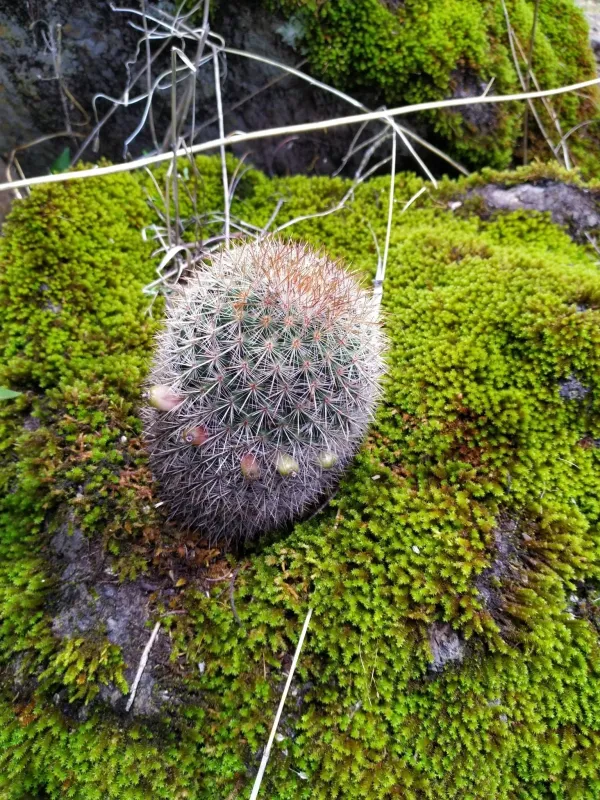
Description
Sowing dates
Cultivation of Mammillaria nunezii typically begins with seed propagation in a controlled environment. The ideal time for sowing is early spring when increasing daylight duration stimulates germination and early growth.
A well-draining substrate composed primarily of fine gravel, perlite, and a small amount of peat is essential for success. Seeds should be sown on the surface and lightly covered with sand to maintain optimal humidity levels.
Consistent temperatures ranging between +22 and +26 degrees Celsius are required for successful germination. The seed tray should remain covered to prevent rapid evaporation until the seedlings emerge.
Young seedlings are highly sensitive to environmental changes and require high humidity during their initial developmental stage. As they grow, humidity levels should be gradually decreased to toughen the epidermis.
Transplanting seedlings into individual pots should only be performed once they have reached sufficient size. Handling young plants with tweezers or soft tools is recommended to prevent damage to their delicate spines.
Growing requirements
Mammillaria nunezii is a member of the Cactaceae family, native to the rocky landscapes of Mexico. This plant demands bright, direct sunlight throughout the year to maintain its compact, healthy form and vibrant spine color.
Soil requirements focus on extreme porosity; the medium must be highly inorganic to prevent moisture retention. A standard cactus mix amended with coarse volcanic rock or perlite works exceptionally well for this species.
Climate management requires a warm, dry environment during the active growing season. Good air circulation is crucial to prevent overheating and the development of fungal spores around the root zone.
Winter dormancy is a critical phase, requiring a temperature drop to approximately +10 degrees Celsius. Keeping the plant dry during this time is essential to mimic its natural environment and ensure flowering in the spring.
Watering should be deep but infrequent, allowing the substrate to dry out completely between sessions. During winter, watering should be minimized or ceased to prevent root rot in the resting cactus.
Main diseases and pests
Mealybugs are the most common pest associated with Mammillaria species. They tend to cluster in the small spaces between the plant's tubercles, feeding on sap and reducing the plant's vigor.
Root mealybugs can present a more insidious threat, often going undetected until the cactus stops growing. These pests thrive in dry soil and can damage the root system, hindering nutrient uptake.
Fungal rots, including Fusarium and various stem rots, are usually the result of overwatering or poor ventilation. If the stem becomes soft or discolored, immediate action is required to save the specimen.
Regular inspection is the best method of prevention. Ensuring that the plant is kept in a well-ventilated area helps to discourage common pests and prevents excess humidity from lingering on the surface.
Chemical control should be used with caution, choosing products specifically formulated for succulents. Always test treatments on a small area of the plant first to ensure no adverse reaction occurs on the cactus skin.