
Mammillaria nivosa
Mammillaria nivosa
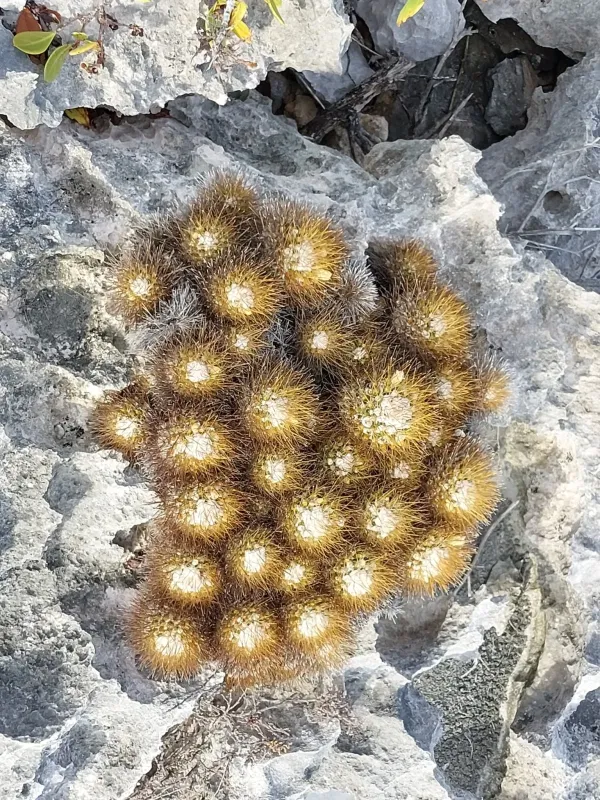
Description
Sowing dates
The sowing of Mammillaria nivosa seeds should be carried out during the spring months. Using a specialized cactus soil mix that is low in organic content and high in mineral components ensures successful germination.
Seeds should be sown on a slightly moistened surface and kept in a warm, humid environment. A temperature range of 22 to 26 degrees Celsius is considered optimal for the rapid development of seedlings.
Light is a critical factor even during the germination stage. While direct sunlight can be harmful to very young seedlings, they require bright, diffused light to prevent etiolation and weak growth.
Pricking out the seedlings occurs after they develop enough spines to handle them without injury. This usually happens a few months after germination when they reach a diameter of approximately 5–10 millimeters.
Watering young plants must be done with extreme caution. Utilizing a fine mist sprayer keeps the soil surface moist without washing away the delicate roots or causing the seedlings to collapse from excessive moisture.
Growing requirements
Mammillaria nivosa, a member of the Cactaceae family, originates from the Caribbean islands. It is a highly photophilous plant that requires significant sunlight to maintain its signature shape and dense spine coverage.
The soil structure must be extremely porous. A recommended mixture includes sharp sand, fine gravel, and minimal peat. Proper drainage at the base of the pot is non-negotiable for the long-term survival of this species.
Climatic requirements involve a clear distinction between the active growing season and the winter dormancy period. During winter, temperatures should drop to 10–12 degrees Celsius to ensure the plant rests before the next cycle.
Watering frequency is determined by the soil drying rate. During the height of summer, a thorough soak is permitted only after the soil has completely dried out, while winter watering should be reduced to an absolute minimum.
Good ventilation is essential for maintaining the health of the epidermis. Stagnant air environments often become breeding grounds for fungal diseases, which are particularly damaging to the delicate tissues of this cactus.
Main diseases and pests
Fungal rots caused by overwatering represent the primary threat to the health of Mammillaria nivosa. Once root rot initiates, it can rapidly ascend into the stem, making the cactus difficult to save.
Mealybugs are the most common insect pest found on this species. They cluster deep within the axils of the tubercles, protected by their white, waxy secretions, which makes them difficult to spot in the early stages.
Spider mites can become problematic during periods of high heat and low humidity. Their presence is usually identified by a fine, dusty web on the surface of the plant, leading to discoloration and necrosis of the skin.
Root nematodes can also be a significant issue if non-sterile or improperly treated soil is used during transplanting. These pests cause stunted growth and yellowing of the cactus body.
- Root rot from stagnant water
- Mealybug infestations in spine axils
- Spider mite damage in dry heat
- Root nematode infestations
- Sunburn from sudden exposure to high intensity light