
Mammillaria neopalmeri
Mammillaria neopalmeri
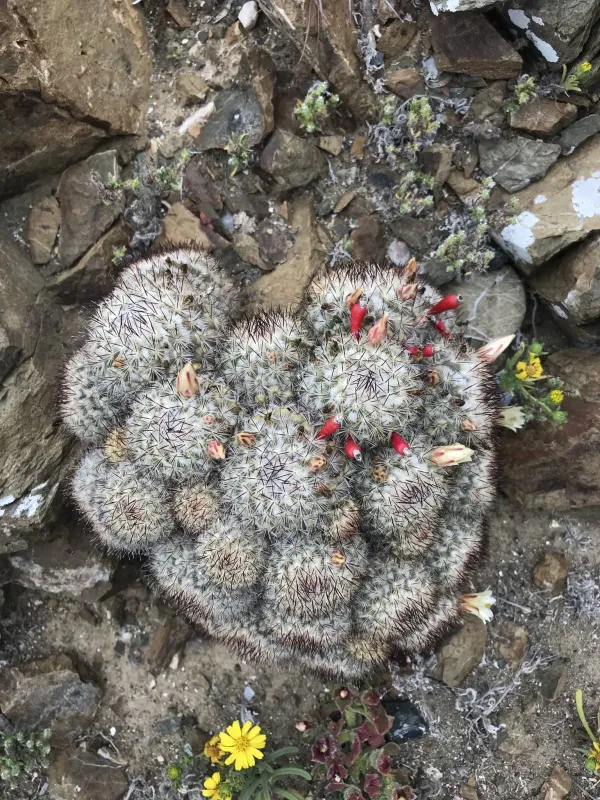
Description
Sowing dates
Propagation of Mammillaria neopalmeri is primarily achieved through seeds, which should be sown during the spring months. The use of a sterile, well-draining substrate is critical to prevent damping-off disease common in cactus seedlings.
Seeds are sown on the surface of the growing medium and lightly pressed down without being buried. Maintaining consistent warmth around +22...+25 degrees Celsius is essential for successful germination within the first few weeks.
During the early stages of growth, the seedlings require high humidity and indirect light. A small plastic cover or a propagator box can be used to simulate a greenhouse environment to promote steady development.
Gradual acclimatization to drier air is necessary once the seedlings have established their spines. Abrupt changes in humidity levels can stress the young plants and significantly slow down their growth rate.
For growers preferring vegetative methods, offsets can be removed from the mother plant. It is imperative to allow the wound to callus over for several days in a dry, shaded area before placing the cutting into the rooting medium.
Growing requirements
Native to Mexico, specifically the Cedros Island, Mammillaria neopalmeri belongs to the Cactaceae family. This species thrives in bright, direct sunlight, which is necessary to maintain its compact growth form and promote flowering.
The optimal substrate for this culture consists of a highly porous mix containing mineral components like pumice, lava rock, and coarse sand. Peat-based soils should be limited as they tend to retain too much moisture, which risks root decay.
Watering requirements follow the soak-and-dry method: the substrate must be completely dry before the next watering session. In the winter season, the plant enters a period of dormancy and requires little to no water to survive.
Climate control includes providing a significant temperature drop during the night, especially in the spring and autumn. During the winter, the plant should be kept in a cool, bright location with temperatures around +10 degrees Celsius.
Fertilization should only occur during the growing season with a balanced, low-nitrogen cactus fertilizer. Over-fertilization can result in weak, elongated growth and make the plant more susceptible to diseases and pest attacks.
Main diseases and pests
The most common pests affecting this species are mealybugs and spider mites. Mealybugs often hide between the tubercles and spines, requiring targeted treatment with systemic insecticides or isopropyl alcohol swabs.
Root rot, often caused by overwatering or poor soil drainage, is the primary disease risk. If the base of the cactus begins to soften or turn dark, the plant should be immediately extracted from the soil for inspection and remedial action.
Environmental stress, such as insufficient light, can lead to etiolation, where the cactus stretches to find light. While not a disease, it weakens the plant's structure and makes it more vulnerable to secondary infections.
Preventative measures include maintaining good airflow and strictly avoiding moisture buildup in the soil. Frequent inspections of the root zone and stems are recommended to detect any signs of distress before they become severe.
In case of pest infestation, immediate isolation of the affected plant is crucial to protect the rest of the collection. Always ensure that any treatment used is safe for succulent tissues to prevent chemical burns on the epidermis.