
Mammillaria napina
Mammillaria napina
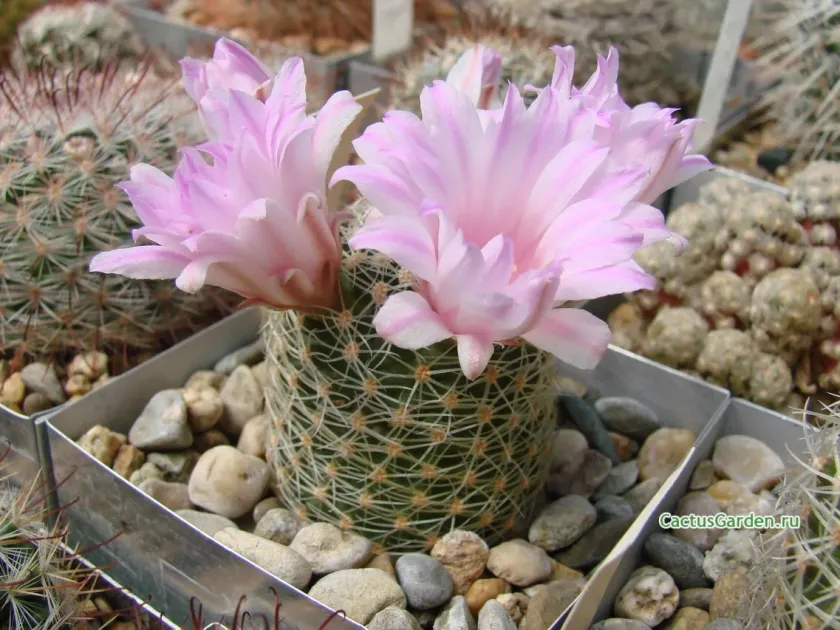
Description
Sowing dates
Propagation of Mammillaria napina by seeds is a delicate task that requires sterile growing media. Sowing should ideally take place in early spring to leverage the natural increase in day length.
The seeds should be placed on a well-drained, sandy substrate. Maintaining a consistent temperature between 20°C and 25°C is crucial for successful germination in this species.
It is important to keep the surface slightly moist but not saturated during the initial phase. Over-watering at this stage often leads to the loss of seedlings due to damping-off fungi.
Once the seedlings develop their first spines, gradually decrease humidity to acclimate them. First transplantation should be delayed until the plants reach sufficient robustness.
While not a traditional agricultural crop, this species is highly valued in the nursery industry, where propagation techniques are refined to maintain high-quality specimens.
Growing requirements
Mammillaria napina belongs to the Cactaceae family and is native to the Mexican state of Puebla. It is known for its distinct shape and ability to thrive in high-altitude environments.
Cultivation requires significant amounts of bright, indirect sunlight. While the plant loves light, intense midday sun in greenhouses may cause tissue burn, necessitating light shading.
The soil profile should be highly mineralized with a focus on sharp drainage. A mixture containing pumice, grit, and very little organic matter is the industry standard for this genus.
Watering must follow the cycle of the growing season. During the peak of summer, occasional moderate watering is beneficial, but the substrate must dry out completely between sessions.
Winter dormancy is mandatory for the health of Mammillaria napina. During this time, the plant should be kept dry and cool, mimicking the arid conditions of its native habitat.
Main diseases and pests
The primary threat to this cactus is root and stem rot caused by excessive soil moisture and poor air circulation. Once the tissue starts to collapse, it is often difficult to reverse.
Mealybugs are the most common pests found on this cactus. They cluster in the crevices between the tubercles, making them difficult to spot and even harder to eliminate entirely.
Spider mites can be a significant issue in hot, dry environments where airflow is restricted. Regular observation of the plant's surface is recommended to catch infestations early.
Root aphids pose a hidden threat that can slowly sap the plant's vitality. Soil-applied treatments are necessary to control these subterranean pests effectively.
Adherence to strict hygiene and the use of preventative systemic pesticides can mitigate the risks associated with these common cactus pests and diseases.