
Mammillaria mystax
Mammillaria mystax
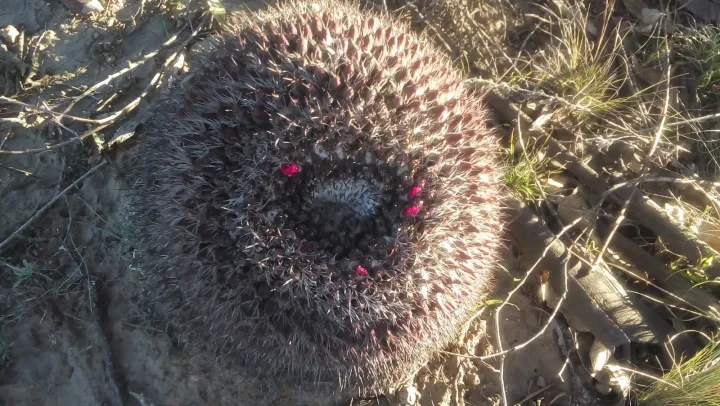
Description
Sowing dates
Propagation of Mammillaria mystax in professional or hobbyist cultivation is most often carried out using seeds. Sowing is typically performed in the spring, from March to April, when the daylight hours increase sufficiently for seedling development.
For successful germination, a stable temperature range of 20–25 degrees Celsius must be maintained. A sterile substrate with a high sand content is used to prevent the development of fungal infections in young seedlings.
Seeds are sown superficially, pressed lightly into moist soil, and should not be covered with a thick layer of substrate. Containers are covered with glass or film to create a greenhouse effect and maintain high air humidity.
After the first shoots appear, it is essential to ensure regular ventilation to prevent damping-off of the seedlings. Pricking out young plants should only be done after the first true spines have formed, usually after 3–4 months.
Vegetative propagation via offsets (pups) is also possible; however, the seed method allows for stronger and genetically robust specimens of this cactus species.
Growing requirements
Mammillaria mystax is a succulent from the Cactaceae family, native to the arid regions of Mexico. The plant is adapted to bright sunlight and water scarcity, so it requires placement on south or southeast-facing windows.
The soil must be highly permeable to water and air, with a neutral or slightly acidic pH level. The optimal mixture includes turf soil, leaf compost, and coarse river sand in equal proportions with the addition of brick crumbs.
Temperature requirements include a distinct separation between growing and resting periods. During the summer, the plant tolerates heat well, while winter requires cool conditions (around 10–12 degrees) with almost no watering.
Watering should be moderate during the active growth season from spring to autumn, avoiding standing water in the tray to prevent root rot. In winter, watering is practically eliminated, maintaining only enough hydration to keep the stem firm.
The plant tolerates low air humidity well, so spraying is not required, making it an excellent choice for buildings with central heating systems.
Yield
The yield of this species refers to its decorative flowering, which is the main goal of its cultivation. When the winter rest period is strictly observed, Mammillaria mystax blooms profusely with small purple or pink flowers forming a "wreath" at the top.
The number of flower buds depends directly on the light intensity and the nutrients stored by the plant during the summer season. Proper application of specialized low-nitrogen cactus fertilizers stimulates the formation of floral buds.
Mature specimens can reach significant sizes with proper care, forming dense clusters. The growth rate is relatively slow but steady when provided with high-quality drainage and sufficient UV light.
Commercial use of Mammillaria mystax is limited to the decorative plant sector and private cactus collections. It is valued for its compact size, spines, and aesthetic appeal in interior plant arrangements.
The commercial success rate (flowering ready-to-sell plants) is over 90 percent when technology is strictly followed, making it a promising crop for professional greenhouses.
Main diseases and pests
The main threat to this species is root rot caused by waterlogged substrate or inadequate drainage. If signs of rot appear, the plant must be immediately repotted, removing all affected root sections.
Among pests, the spider mite is the greatest danger, as it thrives in low-humidity environments. Its presence is indicated by thin webs on the stems and discoloration of the cactus epidermis.
Mealybugs are another frequent pest that targets the plant in the crevices between the tubercles. These should be treated with systemic insecticides applied via root drench or spray once infestations are detected.
- Fusarium wilt (fungal infection)
- Scale insects (sucking pest)
- Root mealybugs (hidden parasite)
Disease prevention consists of regular stem inspections, maintaining cleanliness in the greenhouse, and using only disinfected soil. Applying fungicides at early stages ensures the plant remains attractive and healthy.