
Mammillaria multidigitata
Mammillaria multidigitata
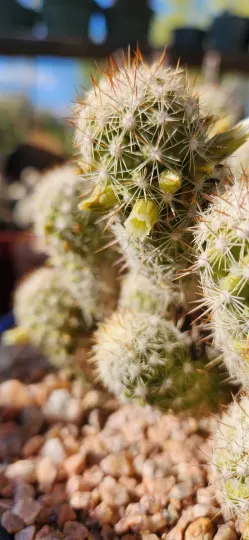
Description
Sowing dates
Propagation of this cactus species is most effectively achieved through the separation of offsets, which the plant produces in abundance during its growth cycle.
Seed cultivation is a meticulous process that requires a sterile, well-draining mineral substrate and a controlled temperature environment around 20-25 degrees Celsius.
The best time to sow seeds is during the spring season, as the increasing natural light levels promote faster and stronger seedling development.
Seedlings need to be kept in a lightly humid environment initially, gradually decreasing moisture levels as the young plants mature and develop their first spines.
Proper aeration of the sowing tray is vital to prevent the development of damping-off disease, which can quickly destroy a batch of young cacti.
Growing requirements
As a member of the Cactaceae family, Mammillaria multidigitata requires full sun exposure to maintain its compact shape and healthy spine density.
The planting substrate must be highly porous, consisting of a mix of potting soil, coarse sand, perlite, and small gravel to ensure rapid water drainage.
Watering should be performed only when the soil has completely dried out, with a significant reduction in frequency during the winter dormancy period.
Maintaining a cool winter temperature is essential for the natural cycle of the plant, which encourages the development of its distinctive flowers.
Adequate ventilation is critical for this species, as stagnant air increases the risk of moisture retention and subsequent fungal infections in the plant tissue.
Main diseases and pests
The most common threat to this species is root rot, which is almost always the result of overwatering or using a substrate with poor drainage qualities.
Mealybugs are frequent pests that hide in the crevices between the tubercles, requiring vigilant observation and the use of systemic insecticides.
Red spider mites can also infest the plant under conditions of extreme heat and very low humidity, causing visible damage to the skin of the cactus.
Effective pest management involves early detection and the use of targeted treatments to prevent the spread of infestations to other plants in the collection.
General hygiene, such as using sterilized tools and pots, plays a significant role in preventing the introduction of pathogens to the cactus collection.