
Mammillaria muehlenpfordtii
Mammillaria muehlenpfordtii
Description
Growing requirements
Mammillaria muehlenpfordtii is a perennial succulent plant belonging to the Cactaceae family. Native to the mountainous terrains of Mexico, this species has adapted to arid environments characterized by intense solar radiation and minimal annual precipitation.
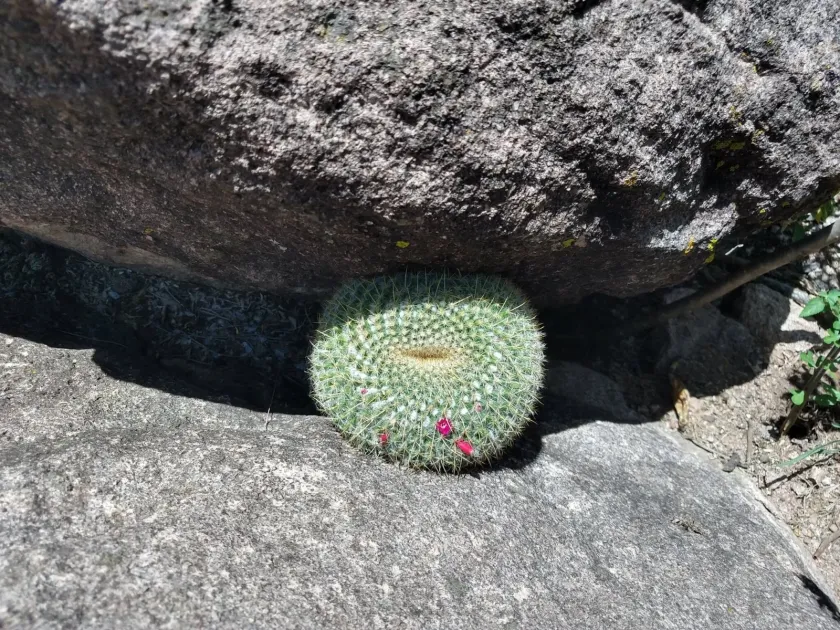
Botanically, this species is defined by its globose stem, which is covered in tubercles or "mamillae". These structures contain the areoles, which produce spines that are essential for the plant's adaptation to harsh desert habitats by providing shade to the stem surface.
Cultivation requires a highly porous, mineral-based substrate that facilitates rapid drainage. A mix comprising coarse sand, pumice, and grit is ideal to prevent root asphyxiation, which is a common cause of failure when cultivating desert cacti.
The species thrives under full sun exposure, although it requires protection from the most intense noon heat in greenhouse conditions. Proper thermoregulation is vital, involving a warm active growing season followed by a cool, dry dormancy period during the winter months.
In terms of economic and horticultural use, the plant is primarily cultivated as an ornamental species. Its appeal lies in its geometric structure and the characteristic ring of flowers that emerge around the crown, making it a prized specimen for arid-land plant enthusiasts.
Main diseases and pests
The primary threat to Mammillaria muehlenpfordtii is fungal infection triggered by excess humidity and poor aeration. Practitioners must ensure that the growing environment is kept sufficiently dry, especially during the dormant season, to prevent stem collapse.
Common pests include spider mites, which exploit dry indoor conditions to feed on the tender tissues, and mealybugs that congregate in the crevices between tubercles. Regular inspection and the application of suitable acaricides or systemic insecticides are recommended for control.