
Mammillaria mieheana
Mammillaria mieheana
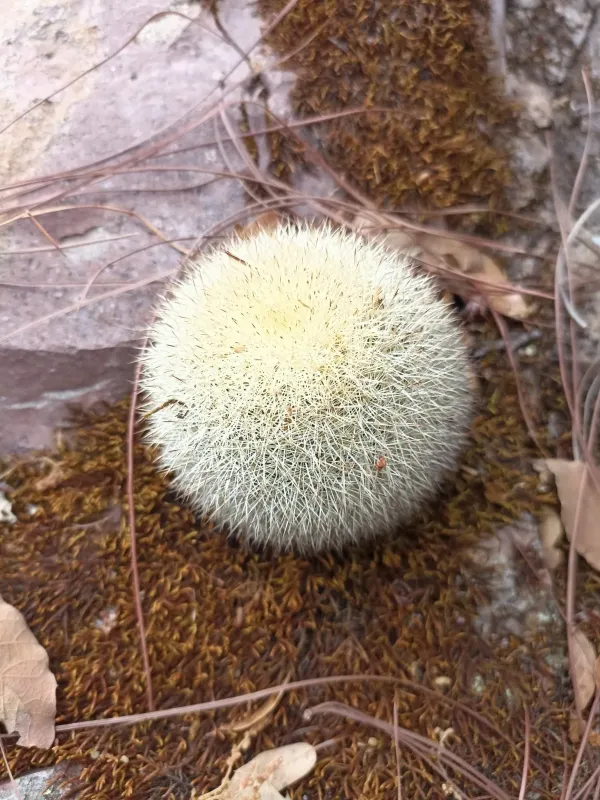
Description
Sowing dates
Propagation of Mammillaria mieheana is primarily conducted through seeds or by separating offsets. Sowing should be performed in early spring using a sterile, well-draining cactus mix, ensuring the seeds are lightly pressed into the surface.
To achieve successful germination, maintain a consistent temperature between 20–25 degrees Celsius. High humidity is required during the initial growth phase, usually managed by covering the container with transparent film or glass.
Offshoots, or pups, provide a faster method for propagation. Once separated from the parent plant, the offset must be left in a dry place for several days to allow the cut to heal and form a protective callus layer.
Planting the healed offsets in slightly moist, gritty soil is ideal for root development. Avoid deep burial of the offset to prevent stem rot, as the base of the cactus is sensitive to excess moisture.
Seedlings and young plants require gradual exposure to direct light. Once the root system is established, transition the cacti to a light level appropriate for mature specimens to ensure steady growth.
Growing requirements
Originating from the mountainous regions of Mexico, this species is well-adapted to high-light environments. It requires significant solar exposure to maintain its compact growth form and to encourage the development of its signature spines.
The soil structure must be extremely porous to prevent root rot, which is the primary cause of plant death. A balanced mix of peat, coarse sand, and perlite or crushed pumice provides the necessary aeration for roots.
Temperature management is critical: active growth occurs between 22–30 degrees Celsius. During winter, a dormancy period is essential; store the plants at 10–12 degrees Celsius with limited light to prepare them for the next flowering cycle.
Watering should be deep but infrequent. Always allow the substrate to dry out completely before providing more water, as Mammillaria species are prone to rot if kept constantly moist in their root zone.
Good air circulation is vital to prevent fungal issues. In indoor settings, placing the plants in areas with natural airflow can significantly improve their overall vigor and health throughout the year.
Yield
As a decorative crop, yield is measured by the plant's health, aesthetic symmetry, and the frequency of blooming. Well-cultivated specimens produce small, yellow flowers that form a distinct crown around the top of the stem.
High-quality plants exhibit intense skin coloration and uniform spine density. For growers, maintaining the specific globular or cylindrical shape is a key indicator of successful cultivation practices.
Professional nurseries evaluate success by the survival rate of seedlings and the rate at which mature specimens form clusters of healthy pups, allowing for commercial expansion of the stock.
The use of balanced, low-nitrogen fertilizers formulated for succulents can improve the vibrancy of the plant and ensure that it retains its structural integrity over many years in a collection.
Consistent care results in a robust root system, which translates to a longer lifespan and better resistance to environmental stresses common in indoor or greenhouse environments.
Main diseases and pests
Root and stem rot are the most significant threats, typically caused by overwatering or poorly draining soil. If detected, immediate repotting into dry, fresh substrate is required, and any necrotic tissue must be excised.
Spider mites are common pests that feed on the epidermis, creating unsightly brown scars on the cactus stem. Regular inspections and the use of appropriate miticides are standard in effective pest management.
Mealybugs are known to infest the areas between the tubercles of the plant, leaving a white, cottony residue. These are often controlled by systemic insecticides or spot-treating with isopropyl alcohol.
Root-knot nematodes can weaken the plant by attacking the root system, leading to stunted growth. Using sterilized potting medium and ensuring healthy, vigorous growth are the best preventative measures.
Quarantining any new arrivals to the nursery is a fundamental rule to prevent the spread of pests and diseases, ensuring the long-term health of the entire plant collection.