
Mammillaria microhelia
Mammillaria microhelia
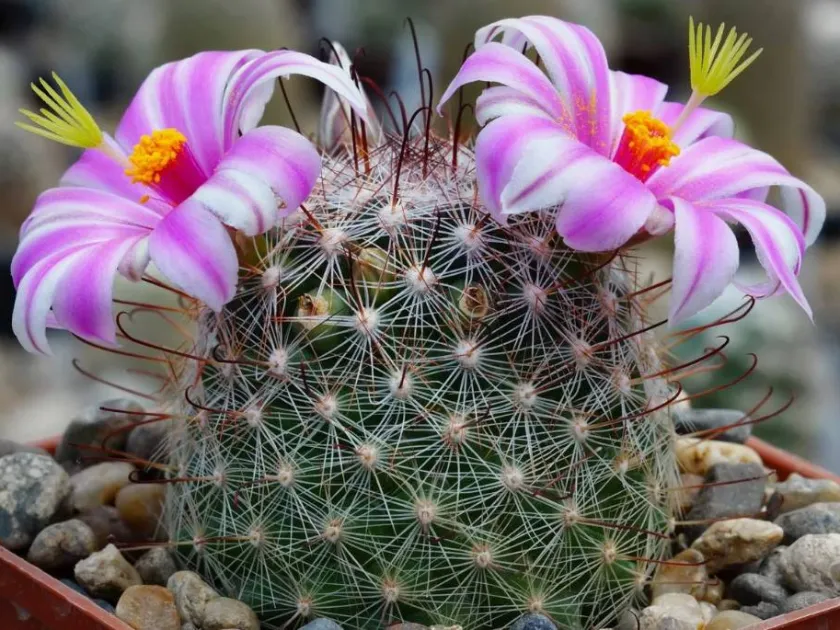
Description
Sowing dates
The propagation of Mammillaria microhelia is most effectively achieved through seed sowing. The optimal timing for sowing is during the early spring months, as the increasing day length and rising temperatures provide the natural stimuli necessary for germination.
Seeds should be sown in a light, sterile, and porous substrate, typically consisting of a mixture of sand and peat. The surface of the soil should be lightly moistened, and the container should be covered with glass or film to maintain high humidity until the seedlings emerge.
Maintaining a stable temperature between +22 and +25 degrees Celsius is crucial during the germination phase. Adequate air circulation must be provided daily to prevent the development of mold or pathogenic fungi in the high-humidity environment.
Once the seedlings have developed their primary spines, they should be gradually acclimated to lower humidity levels. Pricking out or repotting should be carried out carefully once the plants reach a size that allows for easy handling without damaging the delicate roots.
Vegetative propagation involves the use of offsets, also known as pups. These should be carefully separated from the mother plant and left to dry in a shaded, well-ventilated area for several days to allow the cut surface to callus before potting in fresh, dry soil.
Growing requirements
Mammillaria microhelia is a native of Mexico, which dictates its preference for intense solar radiation. In a cultivation environment, it is essential to provide as much direct sunlight as possible to maintain the plant's compact, dense structure and to encourage spine formation.
The substrate must be highly mineral, well-draining, and low in organic content. A standard mixture should include coarse sand, perlite, and a small portion of loam. This composition ensures that the root system receives sufficient oxygen and prevents standing water.
During the active growing season, temperatures ranging from +20 to +30 degrees Celsius are ideal. Good ventilation is necessary to prevent the buildup of stagnant heat, which can occur in indoor or greenhouse environments, especially during the summer months.
A winter dormant period is mandatory for the health and reproductive cycle of the cactus. The plant should be moved to a cool environment, ideally between +8 and +12 degrees Celsius, and kept completely dry to prevent etiolation and promote spring flowering.
Irrigation must be strictly managed, allowing the soil to dry out completely between waterings. During winter, watering should be suspended almost entirely to mirror the natural habitat conditions and prepare the plant for the following growth cycle.
Main diseases and pests
Root rot is the most common threat to this species, typically caused by overwatering or soil with poor drainage properties. Once rot sets in, it is often difficult to treat, making preventative maintenance and soil structure the primary defense strategy.
Spider mites are common pests that thrive in the dry, warm air preferred by many cacti. They can be identified by the presence of fine webbing between the spines and tiny yellow spots on the plant's epidermis where they have fed on plant cell sap.
Mealybugs are another frequent threat, often hiding deep within the dense, radial spines of the Mammillaria. These pests appear as white, cotton-like masses and can be effectively controlled with systemic insecticides applied to the growing medium or foliage.
Bacterial and fungal spots can occur if the cactus is exposed to high humidity and poor air circulation. If such spots appear, they must be surgically removed with a sterile blade, and the wounds treated with a sulfur-based fungicide or activated charcoal.
- Correct drainage and watering intervals prevent the most common diseases.
- Regular monitoring for spider mites is essential during the dry summer months.
- Keeping the plant in a cool, dry place during winter boosts overall health.