
Mammillaria meyranii
Mammillaria meyranii
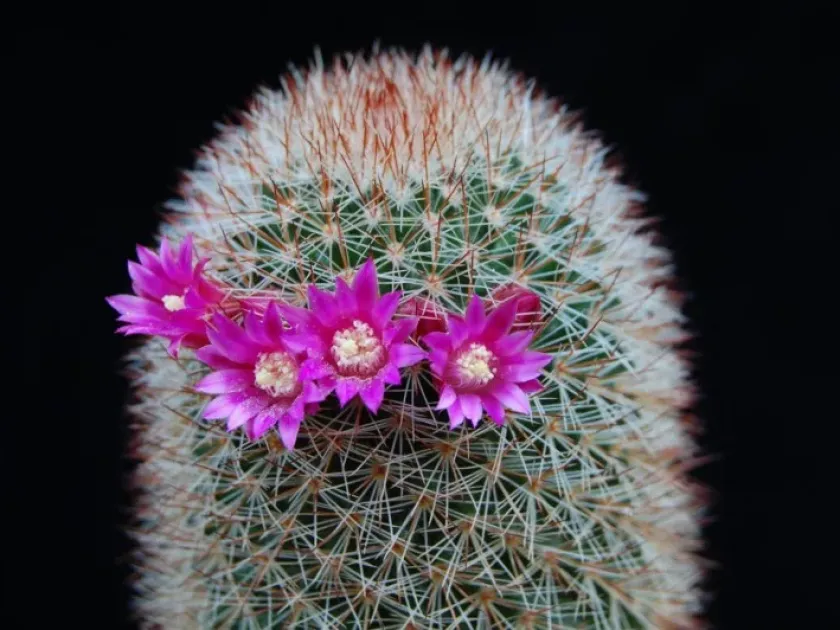
Description
Sowing dates
Propagation of Mammillaria meyranii is primarily achieved through seeds sown in early spring. The germination process requires a light, well-draining substrate composed mostly of horticultural sand and fine peat.
Seeds are spread on the surface and lightly covered with sand, maintaining high humidity under a transparent cover. The temperature must be kept steady between 22 and 25 degrees Celsius for optimal success.
Seedlings need diffused light as soon as they emerge to ensure healthy development. Removing the cover gradually allows the plants to acclimate to the ambient indoor humidity levels.
Pricking out the young seedlings into individual small pots should occur when they develop their first set of thorns. This allows for better root development and easier moisture management.
Vegetative propagation via offsets is also common. Offsets are carefully removed from the mother plant, left to callus for several days, and then planted into a dry, porous mixture to encourage rooting.
Growing requirements
As a member of the Cactaceae family, this species requires a sunny location with plenty of indirect sunlight. Protection from direct, scorching sun during peak summer hours is essential to prevent epidermal damage.
The ideal soil is a porous cactus mix containing gravel, perlite, and a small amount of organic matter. Proper drainage is the single most critical factor for the longevity of this cactus.
Watering should be conducted cautiously. During the active growing season, wait until the soil is completely dry before adding more water. Always avoid wetting the stem directly to prevent rot.
A cool, dry dormancy period during winter is vital. Maintaining temperatures around 10 to 12 degrees Celsius helps the plant reset and prepares it for the subsequent flowering cycle.
Fertilization is only necessary during the height of the growing season using a balanced, low-nitrogen cactus fertilizer. Excess nitrogen can lead to etiolation and weak tissue structure.
Main diseases and pests
Mealybugs are the most common pests found on this species, often hiding in the crevices between tubercles. They can be treated with systemic insecticides or removed manually with alcohol-dipped swabs.
Root rot, driven by stagnant water and insufficient soil aeration, remains the primary threat to overall plant health. It often manifests as a softening or discoloration at the base.
Spider mites are another common concern, especially when air humidity is too low for prolonged periods. They feed on the succulent tissues, leaving characteristic scarring on the skin.
Preventative measures include regular inspection of the plant body, especially around the roots and gaps between spines. Keeping the growing area clean and well-ventilated reduces the risk of infestations.
In case of severe fungal infection, it is recommended to cut away the affected parts, use a fungicide, and replant the healthy portion in fresh, sterile soil.