
Mammillaria mercadensis
Mammillaria mercadensis
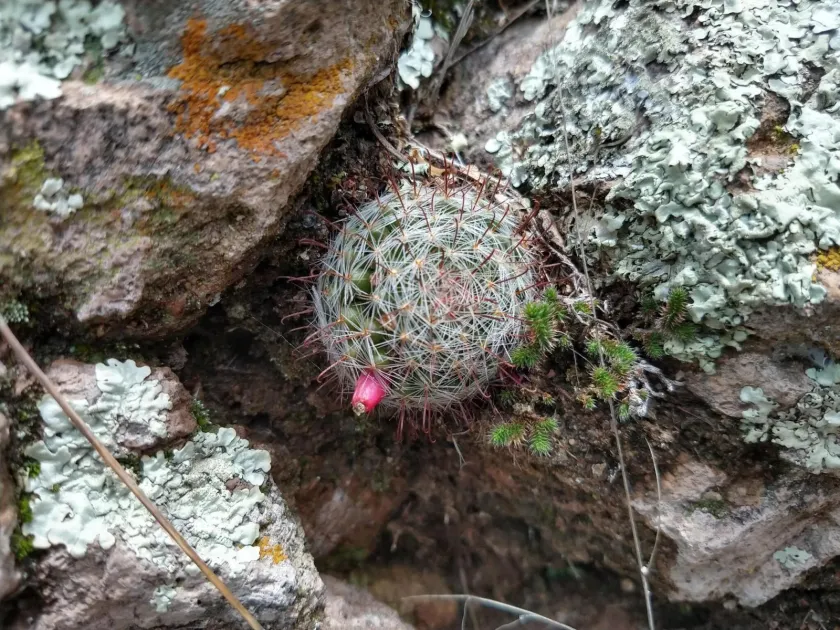
Description
Growing requirements
Mammillaria mercadensis is a prominent species within the Cactaceae family. It is native to the arid mountainous regions of Mexico, where it thrives in rocky outcrops.
This succulent demands direct, bright sunlight to maintain its structural integrity. Adequate exposure is essential for the plant to develop its characteristic dense, hooked spines.
The cultivation medium must be highly porous and inorganic. A well-draining mixture of coarse sand, pumice, and grit is highly recommended to prevent any water retention around the root ball.
Watering protocols should follow the soak-and-dry method during the growing season. It is crucial to ensure the substrate dries out completely before applying water again.
During the dormant winter season, the plant should be kept in a cool, dry environment with temperatures ranging from 8°C to 12°C to ensure successful flowering in the spring.
Main diseases and pests
Mealybugs are the most common pests affecting this species. They hide deep within the dense spines and crevices, making manual removal difficult without systemic treatment.
Root rot is a severe threat caused by overwatering or poor drainage. Once internal tissue damage begins, it is often difficult to save the plant.
Spider mites can occasionally colonize the plant during periods of extremely low humidity and high temperatures, causing discoloration of the epidermal tissue.
Prevention involves regular monitoring and maintaining good ventilation around the cacti to discourage the proliferation of fungal or insect colonies.
When infestation occurs, specialized systemic insecticides or acaricides are required to penetrate the protective spines and eliminate the pests effectively.