
Mammillaria melanocentra
Mammillaria melanocentra
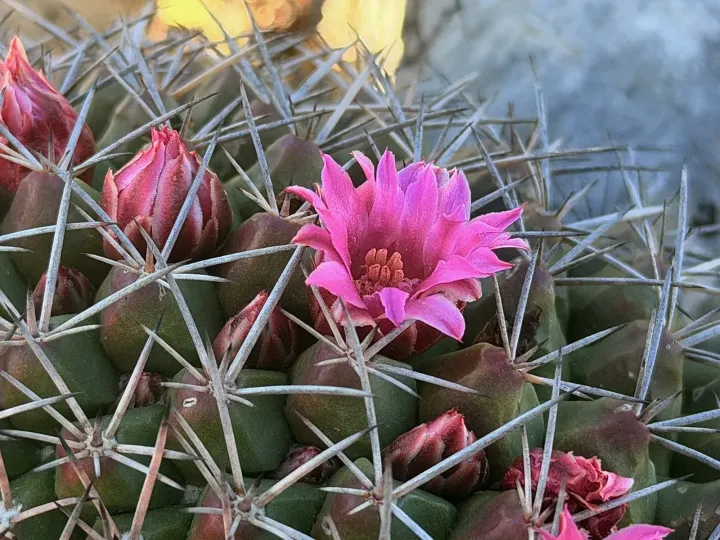
Description
Sowing dates
Mammillaria melanocentra is a member of the Cactaceae family, native to the arid regions of northern Mexico. Propagation is primarily achieved through seeds, which require a temperature-controlled environment between 20 and 25 degrees Celsius to germinate successfully.
Seeds should be sown in a sterile, well-draining substrate consisting of fine sand and peat with some added charcoal. Maintaining consistent surface moisture and covering the container with glass or plastic helps create the necessary humidity for initial sprout development.
Once seedlings emerge, they require filtered light and a gradual reduction in humidity to acclimate them to ambient conditions. Transplanting should only occur after the plants have developed sufficient root systems and spines.
Vegetative propagation via offsets is also possible. Small pups are carefully removed from the mother plant, left to callus for several days in a dry place, and then planted into an appropriate sandy soil mix.
The peak growing season occurs during late spring and summer, when the plant requires maximum light and warmth to stimulate its structural development and prepare it for the dormant period.
Growing requirements
High light intensity is essential for Mammillaria melanocentra. It thrives in locations receiving direct sunlight for most of the day, making south-facing windows the ideal location for its continued healthy growth and proper shape.
The potting medium must provide excellent drainage. A specialized cactus soil mix comprising turf, leaf mold, and high amounts of coarse sand is recommended to ensure that water never stagnates around the roots.
Summer temperatures should range between 25 and 30 degrees Celsius. During the winter, the plant enters a dormant phase and requires cooler temperatures between 8 and 12 degrees to effectively rest and initiate future flowering cycles.
Watering must be strictly regulated. The substrate should be allowed to dry out completely between waterings to prevent root rot. Excessive moisture, particularly in cooler conditions, is the most common cause of plant failure.
The plant prefers low atmospheric humidity. Spraying or misting the cactus is strictly discouraged, as water collecting in the axils of the tubercles provides a breeding ground for fungal and bacterial infections.
Main diseases and pests
Root rot is the most significant threat to the plant, typically triggered by overwatering or poor drainage. Infected plants often show softening of the base and a dull appearance, making it difficult to recover once the rot has set in.
Mealybugs are frequent pests, as they hide in the small spaces between the plant's tubercles to feed on plant sap. Early detection and treatment with appropriate systemic insecticides are vital to maintaining the cactus's health.
Spider mites can become a nuisance in environments with poor air circulation and high heat. They manifest as fine webbing or small, discolored spots on the skin, which can be managed with specialized acaricides.
Scale insects may attach themselves to the stem, appearing as brown or tan bumps. These should be removed manually with an alcohol-soaked swab, followed by a thorough application of a protective treatment to prevent re-infestation.
- Fusarium wilt as a major fungal risk.
- Root rot caused by stagnant moisture.
- Mealybug infestations in tubercle crevices.
- Epidermal damage caused by spider mites.