
Mammillaria melaleuca
Mammillaria melaleuca
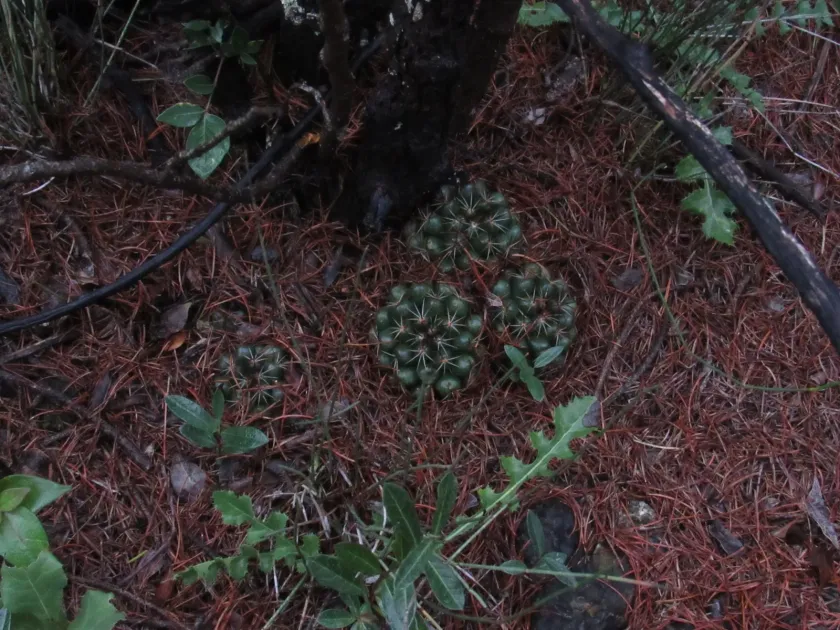
Description
Growing requirements
Mammillaria melaleuca is a small, attractive succulent that belongs to the Cactaceae family. Originating from the arid regions of Mexico, this species is well-adapted to surviving in harsh, rocky desert environments.
The plant is known for its distinct cylindrical body covered in tubercles. A key botanical feature is the dark-colored spines that give the cactus its unique aesthetic appeal compared to other Mammillaria varieties.
This species requires high light exposure to maintain its compact shape. It thrives in locations where it can receive direct sunlight for most of the day, which helps prevent etiolation and promotes healthy growth.
The ideal growing medium should be inorganic and porous to ensure rapid drainage. A mixture containing coarse sand, perlite, and pumice is highly recommended to protect the roots from staying damp for too long.
Watering should be done cautiously, allowing the soil to dry out completely between sessions. During the winter dormancy phase, the plant should be kept in a cool, dry place to ensure it remains dormant until spring.
Main diseases and pests
Root rot is the most serious threat to Mammillaria melaleuca and is usually caused by excessive moisture trapped within the soil or poor drainage conditions.
Mealybugs are common pests that tend to hide in the axils between the plant's tubercles, feeding on the succulent tissue and causing damage if left unchecked.
Spider mites can also cause significant damage, particularly in environments with very dry air, resulting in scarred skin and potential secondary infections.
Regular monitoring of the plant is essential, especially around the areoles where pests often hide, to prevent large-scale infestations.
If pests or signs of decay are observed, immediate application of appropriate horticultural treatments is required, along with a potential re-potting into fresh, sterile substrate.