
Mammillaria mazatlanensis
Mammillaria mazatlanensis
Description
Sowing dates
Propagation of Mammillaria mazatlanensis from seeds requires a temperature range of 20–25 degrees Celsius. Spring is the most suitable time for sowing, as the increasing light levels promote healthier germination and seedling growth.
Seeds should be sown in a light, well-draining substrate mix consisting of sand and fine peat or pumice. Maintaining consistent moisture in the soil is crucial until germination occurs, while avoiding waterlogging at all costs.
Seedlings typically emerge within 2 to 4 weeks, provided they are kept under bright, indirect light. Once the seedlings develop their first spines, they can be carefully transplanted into individual pots to support their root development.
Utilizing bottom heat for seed trays significantly boosts germination rates for this species. Proper ventilation during the early stages is essential to inhibit the growth of algae or fungal pathogens on the soil surface.
Vegetative propagation via offsets is also highly effective for this plant. Once the pups have grown sufficiently large, they can be detached, dried for a few days to callous, and placed into slightly moist sand to root.
Growing requirements
This species belongs to the Cactaceae family and is native to the Mexican states of Sinaloa and Sonora. In their natural habitat, these plants thrive on rocky slopes, necessitating a gritty and lean soil composition.
For optimal health, the plant requires maximum solar exposure during the growing season. Insufficient light levels will cause the cylindrical stems to become etiolated, weak, and susceptible to various diseases.
Watering should be conducted sparingly: allow the substrate to dry out completely between sessions. During winter dormancy, minimize irrigation significantly and keep the plant in a cooler environment to encourage a resting period.
Use a specialized cactus soil mix amended with inorganic materials like perlite, coarse sand, or pumice to ensure excellent aeration. Always ensure pots have drainage holes to prevent the accumulation of excess water around the roots.
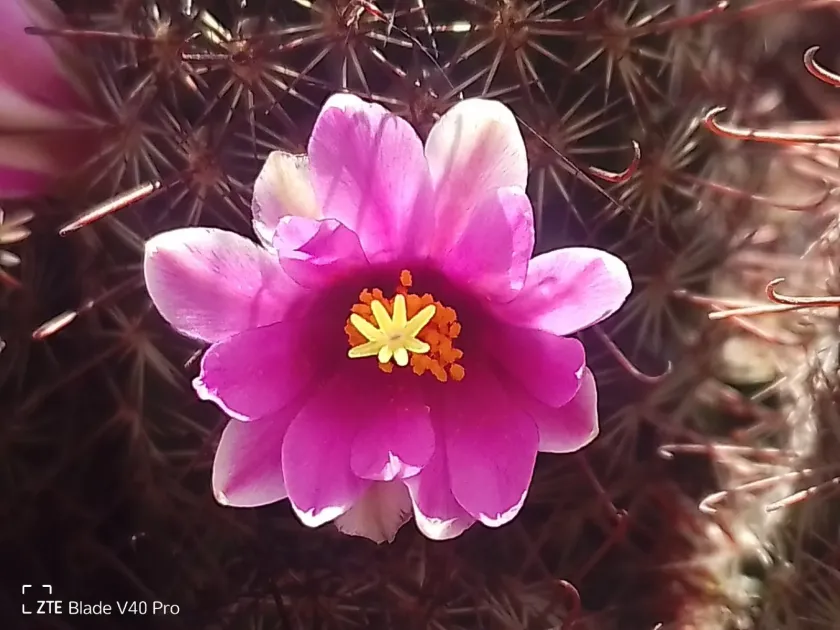
Mammillaria mazatlanensis is valued for its unique cylindrical form and small, vibrant, deep pink flowers. It is widely cultivated as an ornamental plant in greenhouses and private cactus collections worldwide.
Main diseases and pests
Root rot is the most common threat and typically results from overwatering or inadequate soil aeration. Once the roots are compromised, the stem often softens, and the plant's structural integrity fails quickly.
Spider mites are common pests that feed on the surface of the cactus, often identified by fine webs and stunted growth. Effective control involves using specialized acaricides and improving air circulation around the plants.
Mealybugs are another frequent pest, appearing as white, cotton-like masses in the crevices between spines. These insects extract sap and weaken the plant, often leading to secondary infections or the spread of viral issues.
Prevention relies on frequent inspections and the immediate isolation of any new plants entering the collection. Maintaining dry, clean conditions and avoiding high humidity helps mitigate the risk of pest outbreaks.
If decay is detected, immediate surgical removal of the infected tissue is necessary, followed by treatment with a systemic fungicide. In severe cases, cuttings from the healthy apex are the only way to save the plant.