
Mammillaria matudae
Mammillaria matudae
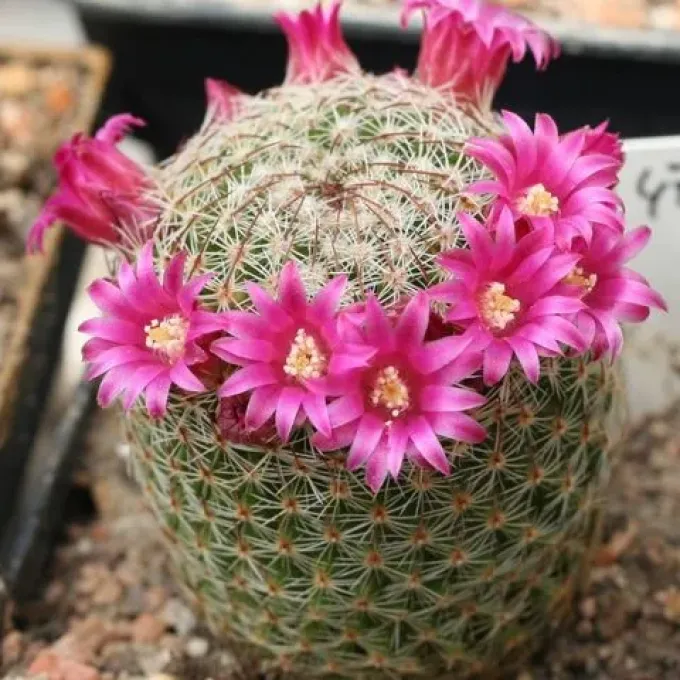
Description
Growing requirements
Mammillaria matudae is a succulent plant species belonging to the Cactaceae family. Originating from the mountainous regions of Mexico, this plant has evolved to thrive in rocky, well-draining soils with intermittent rainfall and high solar radiation levels.
In cultivation, this species requires a location with bright, direct sunlight to maintain its structural integrity and encourage the development of dense, healthy spines. Without adequate light, the stems tend to elongate, resulting in weakened tissue.
The substrate must be highly porous. A mixture consisting of coarse sand, pumice, and a small portion of organic matter is ideal. Proper drainage is the most critical factor, as stagnant water is the primary cause of root failure in this variety.
Watering practices should follow the seasonal cycle: frequent watering during the spring and summer months only when the soil is completely dry, and a dormant, dry state during the winter months when temperatures drop significantly.
Environmental conditions should mimic the high-altitude habitats of Mexico. Good air circulation is essential to prevent fungal issues and ensure the epidermis remains healthy throughout the year, especially during high-humidity seasons.
Main diseases and pests
The primary health threat to Mammillaria matudae is rot, usually caused by overwatering or poor drainage. Once established, root rot can spread quickly, necessitating surgical removal of affected parts and immediate repotting.
Mealybugs are a common pest for this cactus. These small, cottony insects prefer to hide between the tubercles where they feed on sap. They can be manually removed with an alcohol-soaked swab or controlled using systemic insecticides.
Spider mites represent another risk, particularly in environments with low humidity. These pests damage the surface of the plant, creating discolored, scaly patches that can lead to permanent scarring of the epidermis.
Prevention involves maintaining a clean environment and ensuring optimal ventilation. Regularly inspecting the base of the plant and the gaps between the spines helps detect infestations before they become unmanageable.
Fungicides can be applied as a preventive measure if the plant is kept in conditions prone to high moisture. Ultimately, maintaining a consistent growth-to-dormancy cycle is the most effective natural defense against most pathogens.