
Mammillaria magnimamma
Mammillaria magnimamma
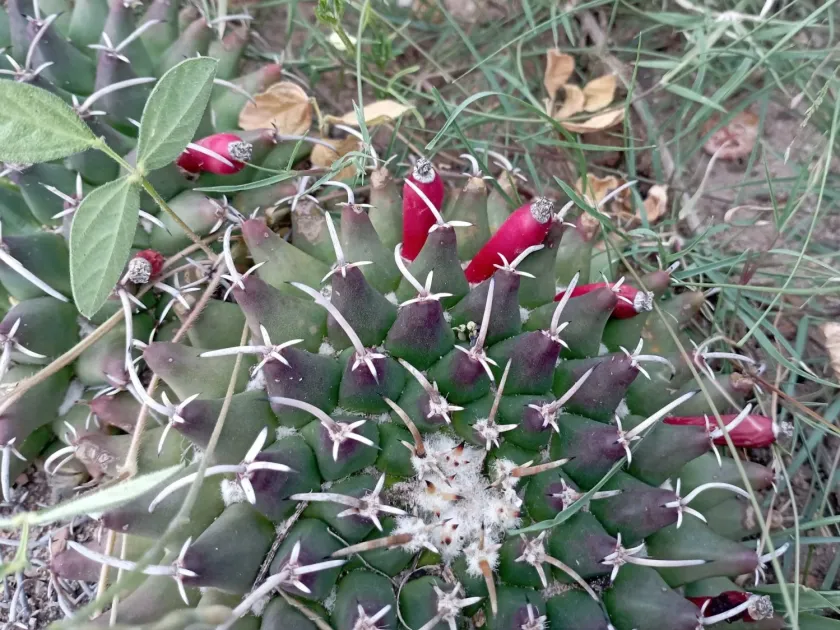
Description
Sowing dates
Seed propagation of Mammillaria magnimamma is the primary method for producing large quantities in commercial settings. Sowing is best performed in the spring when day length increases, providing natural stimulation for germination.
A sterile substrate composed of equal parts loam, leaf mold, and coarse sand is recommended for sowing. Maintaining consistent moisture during the first few weeks is essential, though one must avoid overwatering, which leads to rotting.
The temperature range for successful germination should be maintained between +22°C and +25°C. Utilizing bottom heat in seed trays significantly accelerates emergence and improves overall seedling survival rates.
Pricking out young plants occurs after the first spines are formed, usually 3 to 4 months after sowing. When transplanting seedlings into individual pots, it is vital to use a well-draining substrate to prevent moisture stagnation in the root system.
Mammillaria magnimamma exhibits slow growth during its first year, requiring patience and strict lighting management. Using artificial supplemental lighting during the winter helps prevent etiolation and ensures the plants maintain their commercial quality.
Growing requirements
This crop belongs to the Cactaceae family and is native to the rocky soils of Mexico. To successfully cultivate this species, one must mimic natural conditions: abundant sunlight and low humidity during the dormancy period.
The soil mixture must have a neutral or slightly acidic pH, provide rapid water drainage, and contain a high proportion of mineral components. Adding gravel or brick chips is highly recommended to improve root aeration.
During the growing season, the plant requires regular but moderate watering, avoiding direct contact with the stem. Excess humidity is the main threat to this crop, as it quickly causes rot at the root collar.
The winter dormancy period is critical for the flowering of Mammillaria magnimamma. During this phase, temperatures should be lowered to +8°C to +12°C, and watering should be almost completely withheld, allowing the plant to build energy for bud formation.
This species is extremely photophilic and will quickly lose its dense form and aesthetic appeal if deprived of light. Placement in greenhouses or on south-facing windowsills is the optimal solution for ensuring the necessary level of insolation.
Main diseases and pests
The primary threats to this crop are various types of rot resulting from poor agronomic practices. Fusarium and Phytophthora can quickly destroy cactus tissues if the substrate remains damp during cooler months.
Among pests, the spider mite causes the most damage, manifesting as fine webbing and discoloration of the epidermis. Regular inspections and adherence to temperature regimes help prevent widespread infestations within collections.
The root mealybug is often hidden from the agronomist's view, as it resides in the soil around the roots. To combat this, soil drenching with systemic insecticides is effective, particularly before the start of the active vegetation phase.
Scale insects can attach to the stem, sucking cell sap and weakening the plant's immune system. Mechanical cleaning followed by treatment with specific chemical agents is an effective control method.
- Overwatering
- Lack of sunlight
- Improper dormancy regime
- Use of heavy clay soils
- Fungal spore infection due to high humidity