
Mammillaria magnifica
Mammillaria magnifica
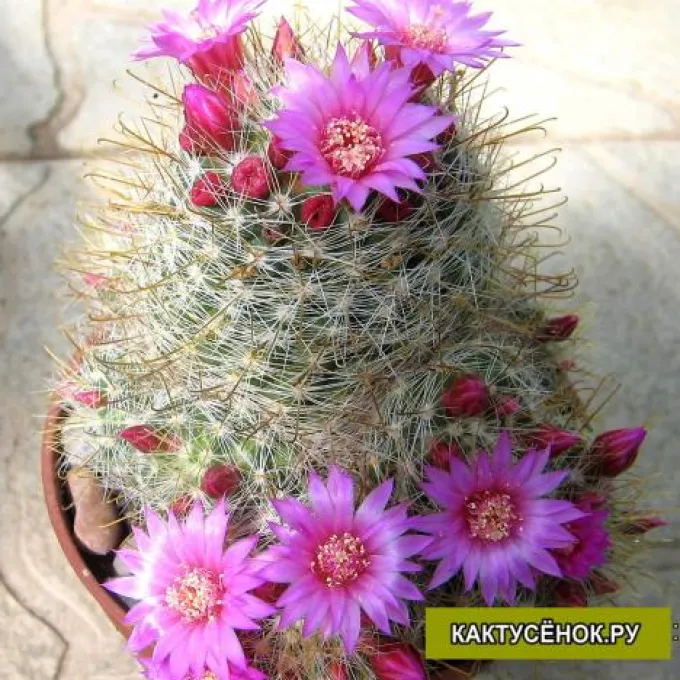
Description
Sowing dates
Mammillaria magnifica is a member of the Cactaceae family, native to Mexico. The most common method of propagation in a horticultural setting is via seed germination.
Sowing should take place in spring to capitalize on increasing day length. The seeds are distributed over a fine, sandy, and well-draining substrate mix.
It is essential to maintain a warm and humid environment during the initial germination phase. Keeping the temperature constant between 22–26 degrees Celsius is critical for high success rates.
Once seedlings have sprouted and developed their first spines, they must be gradually acclimated to lower humidity levels and higher light intensity.
Proper seedling care involves careful monitoring of moisture levels, as young cacti are highly susceptible to both drought and fungal damping-off.
Growing requirements
This species thrives in full sun conditions. Providing bright, direct light is essential to maintain its compact, columnar shape and promote dense spine production.
The soil must be highly porous. A classic cactus mix should include coarse sand, pumice, or perlite to ensure rapid water drainage after each irrigation cycle.
During the growing season, water the plant thoroughly but only after the substrate has completely dried out. In the winter, the plant requires a strict dormant period.
During dormancy, the temperature should be kept low (10–12 degrees Celsius) and watering should be avoided to prevent tissue breakdown.
Fertilization should be limited to the summer months using a balanced or low-nitrogen cactus-specific fertilizer to prevent excessive succulent growth.
Main diseases and pests
The most common threat to Mammillaria magnifica is root rot, primarily caused by overwatering or poor drainage systems in the pots.
Pests such as spider mites and mealybugs can pose a significant challenge. These insects often hide in the crevices between the tubercles of the cactus.
Maintaining good airflow around the plant is a fundamental preventive measure against fungal pathogens and insect infestations.
If an infestation occurs, specialized systemic insecticides or miticides should be applied directly to the affected areas of the cactus.
Careful observation of the plant's epidermis for color changes or soft spots is necessary to detect and address potential health issues in the early stages.