
Mammillaria magallanii
Mammillaria magallanii
Description
Sowing dates
Sowing seeds of Mammillaria magallanii is best performed in early spring, as rising temperatures and increasing day length provide optimal conditions for germination. March and April are the most recommended months for starting the seeds.
The substrate for germination must be porous, mineral-based, and very well-draining, consisting largely of fine sand and perlite. Seeds are placed on the surface of moistened soil and covered with glass to maintain high humidity.
Maintain a constant temperature between 22–25 degrees Celsius for consistent germination. While moisture is essential, it is crucial to avoid waterlogging the container, as this quickly encourages harmful mold and fungal growth.
Seedlings should be pricked out and repotted into individual small containers once they develop their characteristic spines and become sturdy enough to handle. Clean, sterilized equipment is essential to ensure the health of the young plants during this vulnerable stage.
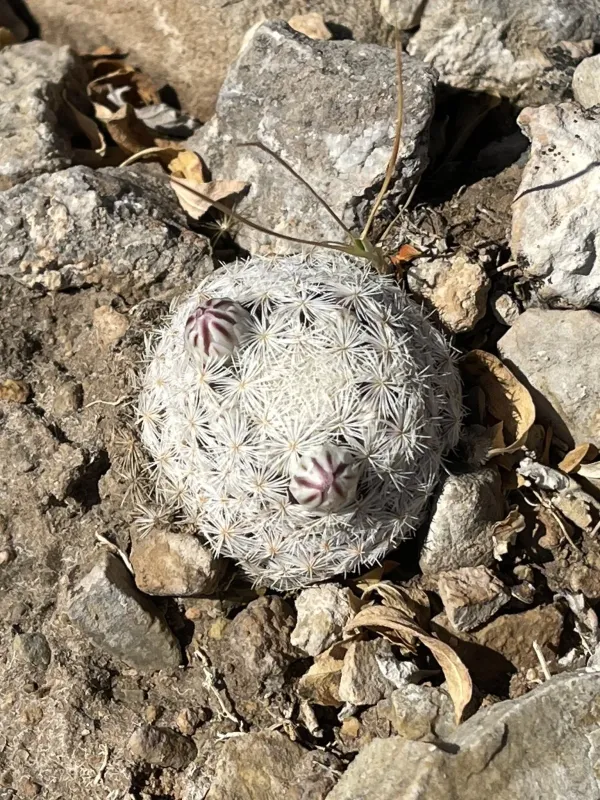
Mammillaria magallanii belongs to the Cactaceae family, native to northern Mexico. It is recognized for its globular, compact form and dense covering of fine, white spines, which act as a natural shade from intense desert heat.
Growing requirements
This species requires intense, direct sunlight throughout the entire year. Cultivating the plant in shaded conditions will inevitably lead to etiolation, where the stem becomes stretched and loses its natural, dense shape and resilience.
The soil mixture must be highly porous, consisting of coarse sand, perlite, and a small amount of peat or leaf mold. Proper drainage is the most critical factor; a thick layer of grit at the bottom of the pot is necessary to prevent root rot.
Watering should be performed only when the substrate is entirely dry throughout. During the winter, the plant enters a period of dormancy, requiring almost no water and a cool temperature around 10–12 degrees Celsius to stimulate healthy growth and flowering.
Proper air circulation is essential for the health of Mammillaria magallanii. The plant thrives in an environment with low humidity and high airflow, which mimics its natural mountain habitat and keeps the skin of the cactus firm.
The species is primarily utilized as an ornamental plant in private collections and botanical gardens. Its compact size makes it highly suitable for container gardening and for enthusiasts looking to maintain a diverse collection in small spaces.
Main diseases and pests
Root and stem rot are the primary threats, usually stemming from overwatering or inadequate soil drainage. Rotting typically begins at the base of the plant, turning the healthy green tissue into soft, discolored, and mushy decay.
Mealybugs are the most common pests affecting this species. They hide deep within the tubercles and dense spines, using their cotton-like waxy secretions to protect themselves, which makes early detection and manual removal difficult.
Spider mites can become a nuisance if the plant is kept in hot, stagnant air with very low humidity. These pests feed on the plant's surface, causing unsightly dry patches and fine webbing that degrade the cactus's aesthetic value.
Treatment involves the use of systemic insecticides or miticides applied as a spray or soil drench. It is important to repeat the treatment to ensure that any surviving eggs or hidden pests are completely eradicated.
Prevention relies on strict adherence to the winter dormancy period and regular inspection of the plants. Using sterilized soil and keeping the growing area clean are the best defenses against persistent pest infestations and fungal infections.